Virtual Reality Reshapes Blackjack Bonus Immersion in Online Casino Environments
Ulrich Keller · Aug 20, 2026
Virtual Reality Reshapes Blackjack Bonus Immersion in Online Casino Environments
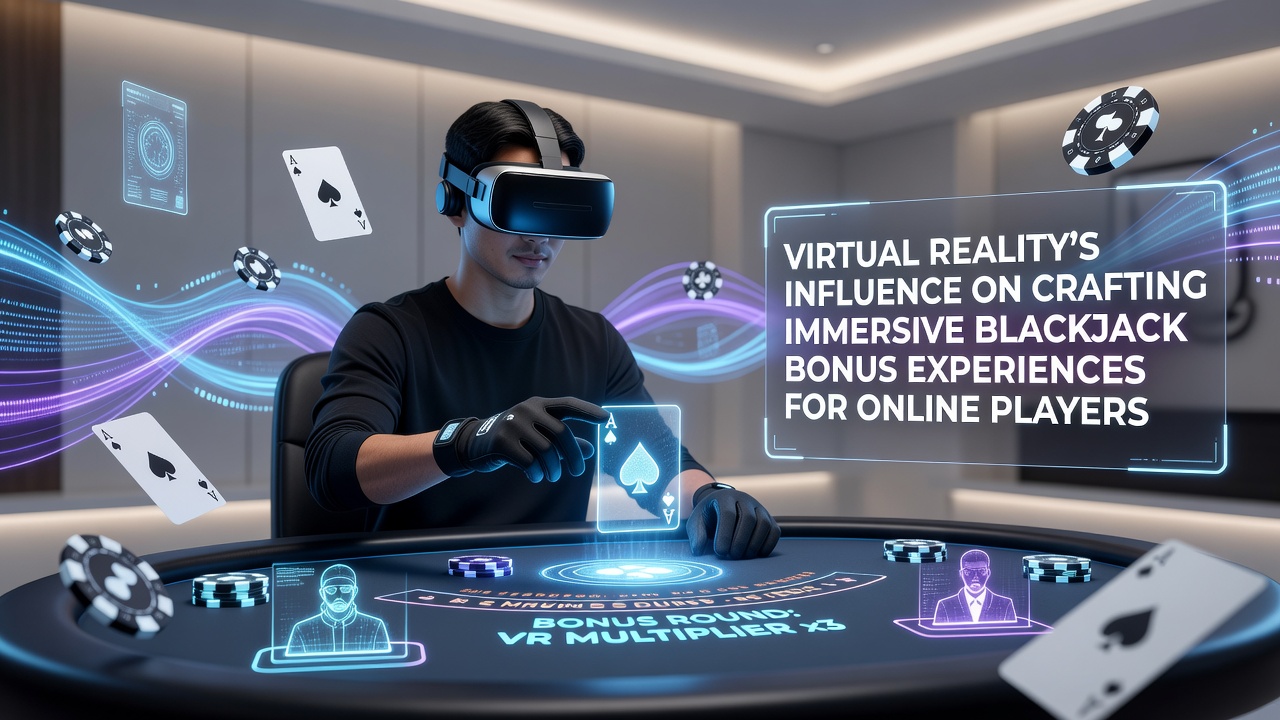
Virtual reality platforms now integrate with online blackjack systems to create layered bonus structures that respond to player movements and decisions in real time, according to industry reports from 2025. Developers combine head tracking with gesture controls so that bonus triggers appear as physical objects within simulated casino spaces, and players interact with them directly rather than clicking through menus.
Data from multiple platform operators shows increased session lengths when VR elements replace traditional 2D bonus animations, and the pattern holds across different regulatory markets. Research conducted by European gaming technology groups indicates that these immersive layers allow bonuses to unfold through environmental storytelling, where chip stacks grow or table layouts shift based on accumulated rewards.
Technical Foundations Behind VR Bonus Delivery
Engineers at several major software providers have built custom rendering pipelines that synchronize bonus multipliers with spatial audio cues, and this approach lets players locate active promotions by sound direction alone. The systems track eye movement to highlight eligible bonus zones on virtual felt surfaces, which reduces the need for overlaid text instructions.
Studies from North American university labs focused on human-computer interaction reveal that haptic feedback gloves improve accuracy when players reach for virtual bonus cards or chips, and operators have begun licensing these interfaces for exclusive reward tiers. Integration with existing random number generators remains unchanged, yet the presentation layer now wraps each outcome in three-dimensional sequences that unfold at player-controlled speeds.
Player Behavior Patterns in Immersive Settings
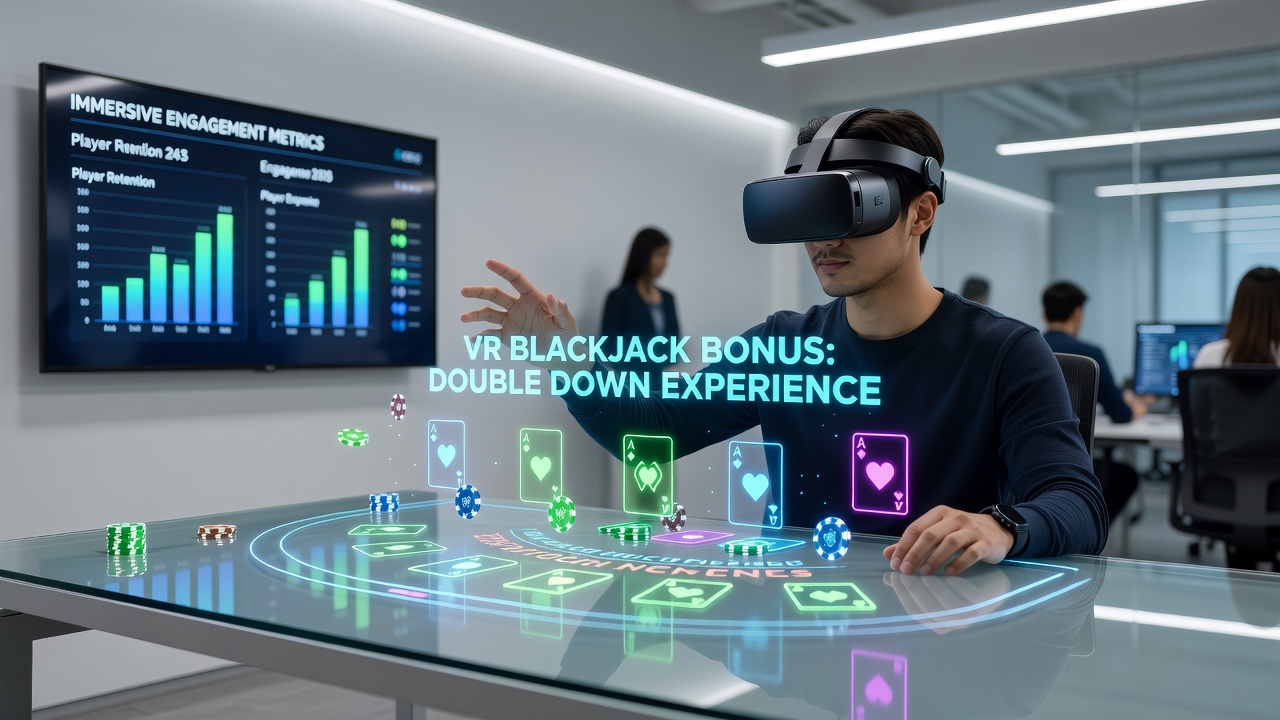
Analytics teams observe that participants using VR headsets complete bonus wagering requirements at higher rates than desktop users, and the difference appears tied to reduced external distractions rather than altered game rules. Platform logs from Australian markets demonstrate that spatial bonus collections, where users physically gather floating reward tokens, correlate with longer retention across multiple sessions.
One developer documented how avatars can trigger side bets by leaning forward in the virtual environment, and this mechanic ties directly into progressive jackpot contributions without additional button presses. Figures released by Canadian research consortia in early 2026 highlight similar engagement spikes when bonus progress bars manifest as rising water levels around the virtual table.
Regulatory Considerations Emerging in Mid-2026
Updates scheduled for August 2026 in several jurisdictions require VR bonus systems to maintain identical payout percentages as their non-immersive counterparts, and testing protocols now include full spatial walkthroughs of each promotional sequence. Regulators in select Asian markets have requested logs that map every gesture used to claim rewards, ensuring no hidden advantage exists within the three-dimensional interface.
Industry associations based in the United States have published guidelines that emphasize transparent display of bonus terms even when those terms appear as engraved plaques on virtual walls, and operators must provide text-to-speech options for accessibility compliance. These measures address concerns raised by academic reviews that examined whether immersive environments could obscure standard wagering conditions.
Future Integration Pathways
Collaborations between hardware manufacturers and game studios continue to test eye-tracking bonuses that activate only when players maintain focus on specific table regions for set durations, and early trials suggest these mechanics increase perceived value without raising actual prize pools. Cross-platform compatibility efforts aim to let users transition from VR sessions to mobile interfaces while preserving accumulated bonus progress, though full parity remains under development.
Reports from international trade organizations indicate rising demand for mixed-reality overlays that project bonus notifications into physical tabletops when players use augmented headsets at home, and several providers plan pilot programs before the end of 2026. The underlying mathematics of blackjack remains constant across all formats, yet the delivery mechanisms continue to expand the range of sensory inputs tied to each promotional event.
Conclusion
Virtual reality continues to expand the presentation options available for blackjack bonuses without modifying core game mathematics or regulatory payout standards. Platform operators report measurable shifts in how players discover and claim rewards when spatial interfaces replace flat screens, and ongoing technical refinements point toward further personalization of immersive elements. Data collected through 2026 will likely guide the next phase of integration between hardware capabilities and bonus design across global markets.