Virtual Reality Blackjack: Immersive Tables and Distinctive Promotional Approaches
Ulrich Keller · Jul 19, 2026
Virtual Reality Blackjack: Immersive Tables and Distinctive Promotional Approaches
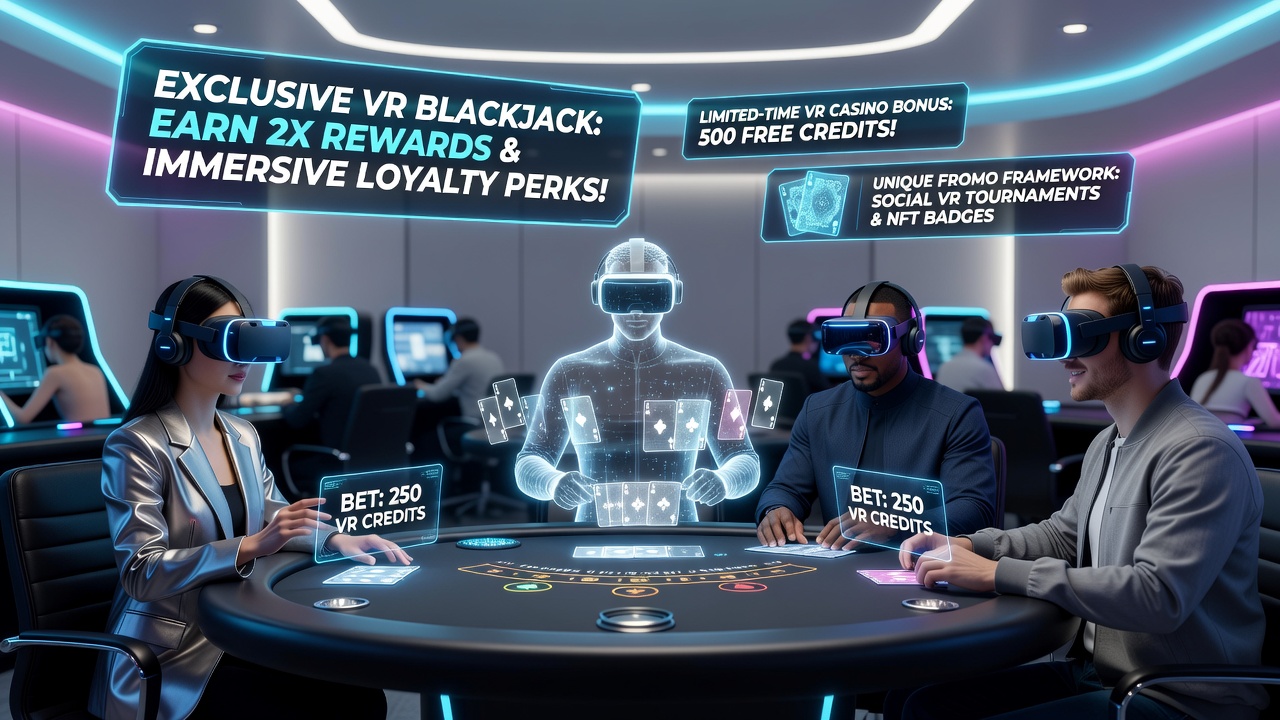
Virtual reality blackjack tables combine advanced simulation technology with traditional card game mechanics to create fully immersive digital environments where participants interact through specialized headsets and motion controls, and data from industry reports shows that these platforms have expanded significantly since their initial commercial launches in the mid-2010s. Developers integrate high-resolution graphics with real-time physics engines to replicate the feel of physical felt surfaces while allowing multiple users to join shared virtual tables from different geographic locations, and this setup supports features such as customizable avatars along with voice chat options that mimic in-person interactions at land-based venues.
Technical Foundations of VR Blackjack Platforms
Hardware requirements typically include compatible headsets from major manufacturers paired with spatial audio systems that deliver directional sound cues for dealer announcements and chip movements, whereas software frameworks rely on cloud-based rendering to maintain low latency during live dealer sessions. Observers note that synchronization between player actions and virtual card dealing occurs through motion-tracking sensors, which reduces discrepancies that could arise in standard online interfaces, and testing conducted by various gaming laboratories confirms frame rates exceeding 90 per second help prevent motion sickness during extended play periods.
Integration with existing casino management systems allows operators to track session data including bet sizes and decision patterns without disrupting the immersive experience, while encryption protocols protect transaction details and personal information in accordance with standards set by regulatory bodies such as the Nevada Gaming Control Board. Figures from recent market analyses reveal that adoption rates have risen in regions where broadband infrastructure supports stable connections, and developers continue to refine haptic feedback devices to simulate the tactile sensation of handling physical cards and chips.
Distinctive Promotional Structures in Virtual Environments
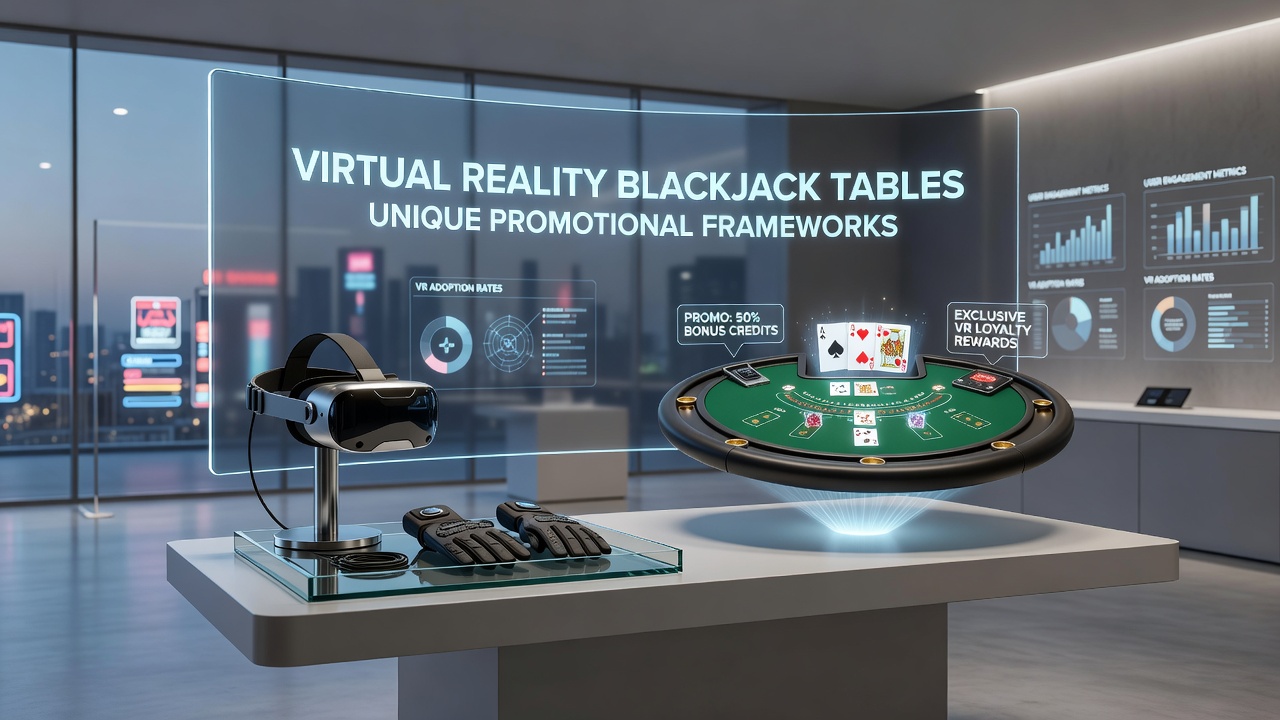
Promotional frameworks for VR blackjack often incorporate elements that leverage the immersive nature of the technology, such as time-limited access to exclusive virtual tables or rewards tied to in-game achievements like consecutive wins or strategic milestones, and these differ from conventional online bonuses because they emphasize experiential incentives over simple deposit matches. Operators design loyalty programs that grant participants virtual items including custom table themes or avatar upgrades, which accumulate based on play volume and can influence future session dynamics through enhanced visual customization options.
Referral systems in these settings frequently offer both the referrer and new user entry into specialized VR tournaments where prize pools consist of digital credits redeemable across multiple platforms, and analytics tools enable operators to adjust offer parameters according to individual engagement metrics collected during headset sessions. Data indicates that such tailored approaches have contributed to higher retention rates in markets where VR hardware penetration continues to grow, with July 2026 projected as a key period for expanded device compatibility following anticipated hardware releases from several manufacturers.
Regulatory Considerations and Market Expansion
Regulatory frameworks in various jurisdictions address VR blackjack through existing online gaming statutes while introducing specific guidelines for immersive technologies, and authorities in places like the Alcohol and Gaming Commission of Ontario have examined how virtual environments affect responsible gaming measures such as session time limits and spending notifications. Compliance often requires operators to implement age-verification processes that function seamlessly within the headset interface, whereas reporting obligations cover metrics related to player behavior patterns observed during VR sessions.
Market expansion has been supported by partnerships between software developers and established casino groups, which facilitate the deployment of branded VR tables that carry over loyalty benefits from physical properties into digital spaces, and research from institutions including the University of Nevada, Las Vegas Center for Gaming Research highlights correlations between VR adoption and increased interest among younger demographics accustomed to interactive media formats. These developments occur alongside broader technological advancements that reduce hardware costs and improve accessibility for a wider audience.
Future Developments and Integration Trends
Emerging trends point toward greater incorporation of artificial intelligence to personalize promotional triggers based on real-time performance within VR sessions, allowing for dynamic offers that respond to specific gameplay styles without interrupting immersion, and cross-platform compatibility initiatives aim to connect VR tables with mobile and desktop versions for seamless transitions. Industry organizations such as the European Gaming and Betting Association have documented pilot programs testing multi-sensory enhancements that combine visual elements with scent diffusion systems to further replicate casino atmospheres.
Continued investment in these areas reflects responses to consumer demand for differentiated experiences, and projections suggest that VR blackjack will represent a growing segment within the broader digital gaming sector by the end of the current decade. Operators monitor technological shifts closely to align promotional frameworks with evolving hardware capabilities and user expectations.
Conclusion
Virtual reality blackjack tables represent a convergence of gaming technology and promotional innovation that extends traditional blackjack mechanics into immersive digital realms, and their unique frameworks continue to evolve through technical refinements and regulatory adaptations across multiple regions. As platforms mature, data from established research sources will likely guide further developments in both table functionality and reward structures designed to sustain player engagement over time.