Player Behavior Metrics and Their Influence on Blackjack Offer Personalization
Anna Beck · Jun 9, 2026
Player Behavior Metrics and Their Influence on Blackjack Offer Personalization
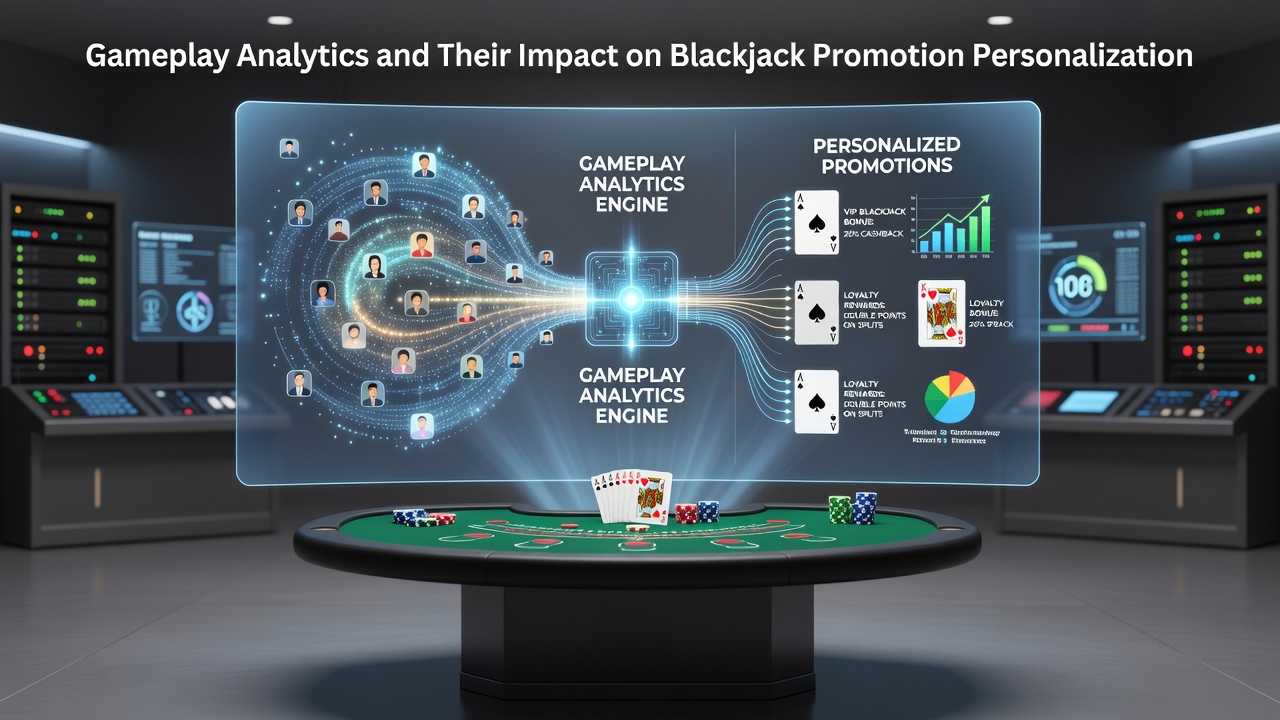
Gameplay analytics have become central to how operators adjust blackjack promotions across digital platforms, with data on hand frequency, bet sizing patterns, and session duration guiding the structure of personalized offers. These systems collect information from every round played, allowing platforms to identify segments such as high-volume recreational users versus infrequent high-stakes participants, and then align reward mechanics accordingly.
Data Collection Methods in Blackjack Environments
Modern platforms record metrics including average hands per hour, deviation from basic strategy, and response to side bet options, while algorithms process this information in real time to flag opportunities for targeted incentives. Studies from research institutions show that operators using these datasets can increase retention rates by aligning cashback percentages or reload values with observed playing habits, rather than applying uniform bonus structures to all accounts. In practice this means a player who consistently wagers above a certain threshold might receive invitations to exclusive tournaments, whereas those with shorter sessions see promotions emphasizing quick-play formats.
Impact on Promotion Design and Delivery
Analytics influence everything from the timing of bonus releases to the specific games featured within a promotion, since platforms track which blackjack variants generate the longest engagement. Data indicates that when offers are matched to individual patterns, redemption rates rise compared with generic campaigns distributed across entire user bases. Observers note that June 2026 will bring updated compliance requirements in several North American jurisdictions, prompting operators to refine how they store and apply behavioral data while still delivering customized rewards. Those adjustments are expected to emphasize transparent data usage statements alongside the promotions themselves.
One documented approach involves segmenting users by risk tolerance derived from bet spread analysis, then offering tiered deposit matches that scale with historical activity levels. This method avoids blanket promotions that might appeal less to certain demographics, and instead focuses resources on offers more likely to prompt return visits. Figures from industry reports reveal that platforms employing such segmentation have recorded measurable lifts in average session length among targeted groups.
Regional Variations in Analytical Application
Approaches differ by market, with North American operators often prioritizing win-rate data to shape loyalty tiers, whereas platforms serving European and Asian audiences integrate geographic and device usage patterns into their models. A report from the American Gaming Association highlights how U.S.-focused sites use state-level regulatory frameworks to guide data handling, while Canadian provincial frameworks in Ontario emphasize player self-exclusion integration within analytics dashboards. These differences produce varied promotion styles, from cashback structures tied to monthly volume in one region to referral bonuses calibrated to social play metrics in another.

Academic research conducted at institutions such as the University of Nevada, Las Vegas Center for Gaming Research has examined how machine learning models predict which promotion types will resonate with specific player cohorts. Their findings suggest that incorporating variables like time-of-day activity and preferred table limits improves the precision of offer delivery, reducing instances where bonuses remain unclaimed. Operators have adopted similar models to adjust bonus wagering requirements dynamically, lowering thresholds for players whose data shows lower completion rates in prior campaigns.
Future Developments in Analytics Integration
Continued refinement of these systems is underway, with emerging tools capable of correlating in-game decisions with external factors such as device type and connection stability. This expanded dataset allows for finer adjustments to promotion parameters, including the inclusion of live dealer blackjack options for users whose metrics indicate preference for social elements. As regulatory landscapes evolve, particularly with the June 2026 compliance shifts on data transparency, platforms are expected to maintain detailed audit trails that document how analytics directly inform each personalized incentive. Industry organizations including the European Gaming and Betting Association have published guidelines encouraging consistent reporting standards around these practices, which may further standardize how operators communicate promotion logic to users.
Conclusion
Gameplay analytics continue to shape the personalization of blackjack promotions by converting raw behavioral data into actionable offer structures, with measurable effects on engagement across multiple markets. The integration of regional regulatory considerations, especially those scheduled for mid-2026, will likely influence how these systems evolve while preserving the core function of aligning rewards with individual playing patterns.