Inside the Design of Blackjack-Exclusive Loyalty Tiers
Iris Friedrich · Jun 2, 2026

Inside the Design of Blackjack-Exclusive Loyalty Tiers
Designers of online casino platforms build blackjack-exclusive loyalty tiers around specific earning mechanics that track hands played rather than overall wagers across multiple games, which allows operators to segment players who focus on this single title while maintaining separate progression paths from general casino rewards. These tiers typically feature customized point multipliers that award 1.5 to 3 times the standard rate when users participate in blackjack sessions, and the structure incorporates thresholds that reset on monthly or quarterly cycles depending on the platform's operational calendar. Data from industry reports shows that such segmentation helps retain dedicated blackjack participants by delivering benefits unavailable in broader loyalty frameworks, including access to private tables with reduced house edges during promotional windows and priority entry into invite-only events.
Core Mechanics Behind Tier Construction
Platform developers calculate tier advancement using a combination of hand volume, average bet size, and session duration metrics collected through backend systems, which means a player reaching silver status might need 500 qualified hands at a minimum stake level while gold requires double that amount plus a total wager threshold. Benefits scale accordingly with higher tiers unlocking elements like dedicated account managers who coordinate personalized reload offers and faster withdrawal processing that bypasses standard queues, and observers note these features emerge from analysis of retention patterns in markets where blackjack accounts for a significant share of table game activity. But here's the thing, operators adjust these formulas periodically to align with regional player preferences, such as emphasizing cashback percentages in European markets versus tournament access in North American ones.
External factors including licensing requirements influence how these tiers operate, and with regulatory updates anticipated across multiple jurisdictions by June 2026, several platforms have begun incorporating compliance buffers into their point systems to avoid disruptions in benefit delivery. One study conducted by researchers at the University of Nevada Reno examined similar structures and found that blackjack-specific tiers increased repeat session frequency by an average of 22 percent compared to generic programs when players received tiered insurance against downswings.
Geographic and Platform Variations in Implementation
Design teams adapt tier frameworks to local regulations and cultural playing habits, which results in Canadian platforms often emphasizing loyalty points that convert directly into site credits while Australian operators integrate tier status with live dealer integrations that offer exclusive blackjack variants. Figures from the Canadian Gaming Association reveal that exclusive tiers help differentiate platforms in competitive digital spaces where players can switch between multiple sites with minimal friction. What's interesting is how these variations extend to bonus structures, where silver members might receive a 10 percent cashback on net losses from blackjack only, whereas platinum participants access up to 25 percent alongside free bet vouchers that carry no additional playthrough conditions.
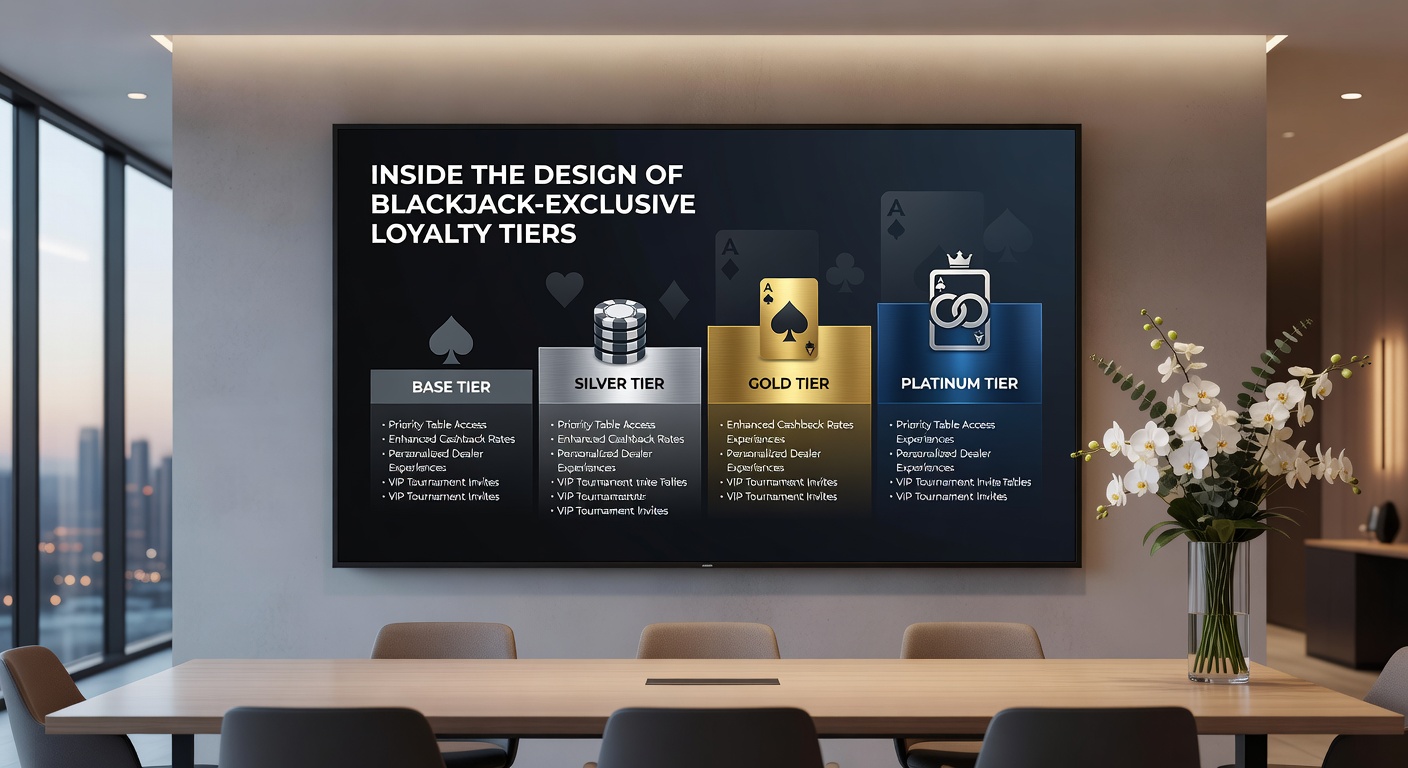
Take one program operated by a major European-facing site that introduced a blackjack-only ladder in 2024, and data indicated participants at the top tier engaged in 40 percent more hands monthly after unlocking a personal dealer option during peak hours. Such examples demonstrate how designers use A/B testing on tier benefits to refine what keeps players active without expanding into other game categories. And yet the underlying data collection remains consistent across implementations, relying on encrypted logs that feed into algorithms determining eligibility for each level.
Integration with Broader Platform Features
Loyalty tiers for blackjack rarely stand alone, instead they connect to referral systems and reload schedules that encourage consistent participation, and those who've studied these setups know the connections often include cross-tier challenges where completing a set number of hands unlocks rewards applicable to the entire account. This integration allows operators to maintain focus on blackjack while still supporting overall platform growth, and reports from the Australian Interactive Gambling Council highlight similar approaches yielding measurable increases in player lifetime value when tiers incorporate milestone bonuses tied to consecutive days of play. The reality is that designers prioritize flexibility in these systems so that adjustments for seasonal events or new game releases can occur without overhauling the entire structure.
Conclusion
Blackjack-exclusive loyalty tiers continue to evolve through data-driven refinements that balance player retention goals with operational and regulatory constraints across different regions. Their design reflects careful calibration of earning rates, benefit scaling, and integration points that distinguish them from general casino programs while addressing the specific habits of blackjack participants. As platforms prepare for shifts expected around June 2026, these frameworks provide adaptable models that support sustained engagement without requiring players to diversify into unrelated titles.