Inside Player Patterns: How Data Analytics Craft Blackjack-Only Incentives Across Digital Platforms
Iris Friedrich · Aug 16, 2026
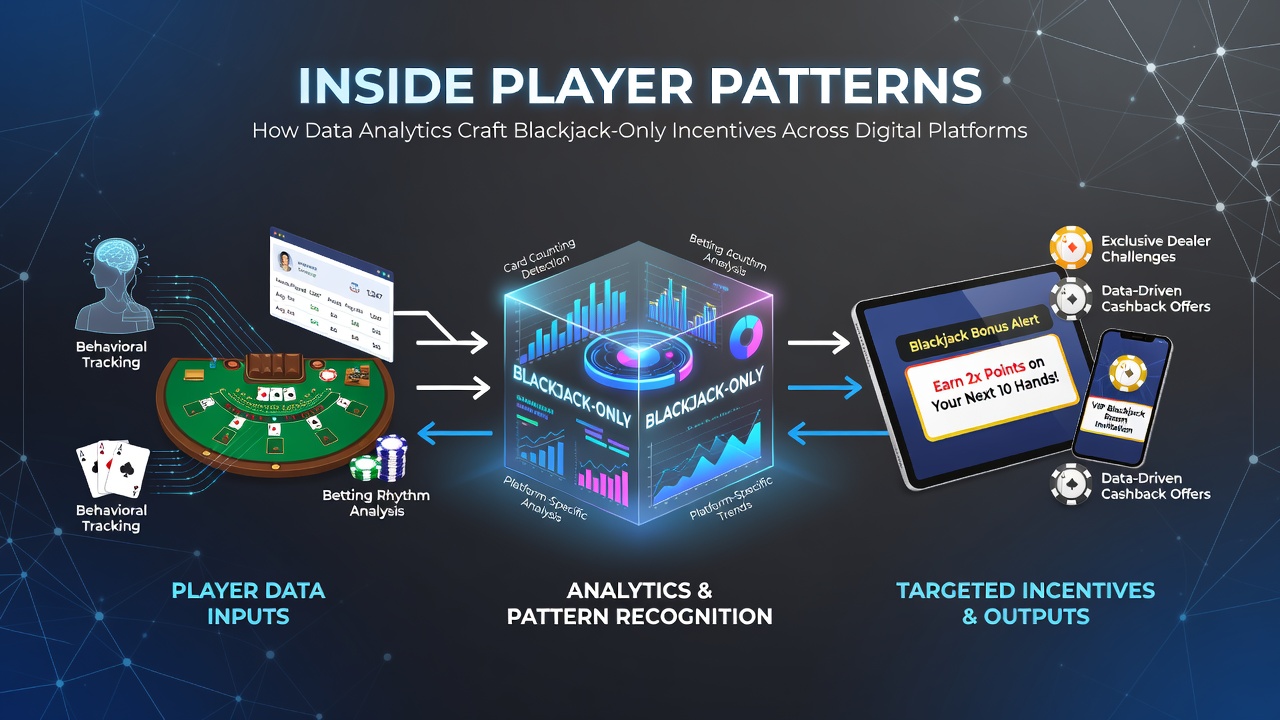
Inside Player Patterns: How Data Analytics Craft Blackjack-Only Incentives Across Digital Platforms
Data analytics teams at online gaming operators collect detailed records of blackjack sessions including bet frequency, hand completion rates, and time spent at virtual tables, then feed these inputs into clustering algorithms that group players by engagement style while platforms use the resulting segments to generate incentives limited exclusively to blackjack variants.
Operators track metrics such as average wager size per hand, response to side bets, and patterns of play during peak versus off-peak hours, which allows segmentation models to distinguish high-volume grinders from occasional participants, and those distinctions directly inform the structure of reload offers or cashback percentages tied only to blackjack activity.
Player Data Collection Methods
Digital platforms record every decision point in blackjack rounds through integrated tracking software that logs whether players split pairs, double down, or stand on marginal totals, and this granular information combines with account-level data on deposit history and withdrawal timing to build comprehensive profiles that analysts review for incentive eligibility.
Session length data reveals whether certain users prefer rapid-fire single-deck games or slower multi-hand formats, while geographic indicators from IP addresses and device types help operators adjust incentive parameters according to regional preferences observed across North American and European user bases.
Algorithmic Segmentation and Incentive Design
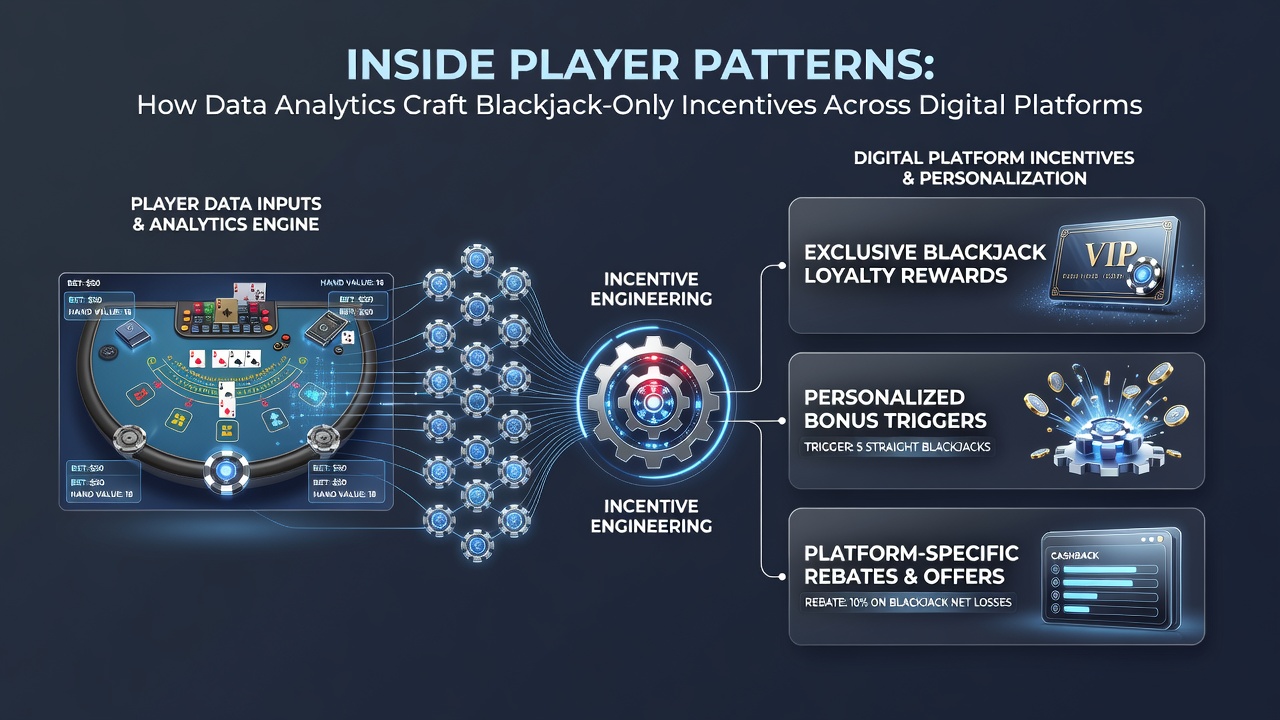
Machine learning models process aggregated datasets to detect recurring sequences such as consistent play on European roulette-free blackjack tables or spikes in activity following specific promotional triggers, and the output of these models feeds automated systems that issue blackjack-only deposit matches or tournament entry credits calibrated to each segment's observed retention curve.
Research from academic institutions indicates that behavior-based triggers outperform generic offers by measurable margins in repeat login rates, while industry reports from the Canadian Gaming Association show platforms that refine segments weekly achieve higher conversion on targeted blackjack promotions compared with static campaigns.
One platform in August 2026 updated its analytics pipeline to incorporate real-time variance calculations from individual player histories, allowing immediate adjustment of cashback tiers for users whose recent sessions showed elevated loss streaks confined to blackjack, and this change aligned with updated data-handling standards emerging in several jurisdictions.
Regional Variations in Analytics Application
Platforms serving Australian users often weight data points around mobile session frequency more heavily because local regulations favor device-specific compliance checks, whereas operators focused on U.S. state markets incorporate location-verified playtime metrics to ensure incentives remain compliant with interstate gaming rules, and these regional adjustments produce distinct incentive structures even when the underlying blackjack games remain similar.
Figures from the Nevada Gaming Control Board highlight rising adoption of predictive models that forecast future blackjack volume based on historical patterns, enabling operators to allocate bonus pools more precisely and reduce over-distribution to low-engagement accounts.
Implementation Across Multiple Platforms
Cross-platform data sharing agreements among affiliated operators allow analysts to merge datasets from separate skin sites, creating larger sample sizes for pattern detection while maintaining blackjack-only incentive boundaries that prevent spillover into other game categories, and this approach has produced measurable lifts in dedicated blackjack table occupancy during promotional windows.
External vendors supply specialized visualization tools that surface correlations between deposit method preferences and blackjack stake levels, giving operators additional levers for tailoring offers such as higher match percentages for players who fund accounts through e-wallets known to correlate with sustained table play.
Conclusion
Analytics-driven segmentation continues to shape how digital platforms construct blackjack-only incentives by translating raw behavioral signals into precise reward mechanics that align with observed player clusters, and ongoing refinements in data processing techniques suggest further customization will emerge as regulatory frameworks evolve in 2026 and beyond.