Hybrid Reward Blends: When Blackjack Incentives Merge with Slot Ecosystems in Online Platforms
Cameron Peters · Jul 2, 2026
Hybrid Reward Blends: When Blackjack Incentives Merge with Slot Ecosystems in Online Platforms
Platform operators have begun constructing unified loyalty structures that allow progress earned in slot sessions to influence blackjack reward eligibility while blackjack activity in turn unlocks slot-specific multipliers and free spins. These systems emerged as data analytics tools matured enough to track cross-game behavior without fragmenting player accounts into separate ledgers. July 2026 marks the scheduled rollout of updated compliance frameworks in several North American jurisdictions that will require clearer disclosure of how such blended metrics calculate bonus thresholds.
Mechanics Behind Cross-Game Reward Integration
Developers program unified player profiles that accumulate a single progress meter across both verticals. A player completing 200 slot spins at a set stake level may receive a reduced blackjack wagering requirement on the next deposit match while simultaneous blackjack hand volume contributes toward slot tournament entry tickets. The American Gaming Association has documented how these meters replace older segmented bonus wallets that previously forced players to maintain separate balances for table games and reel titles.
Algorithms adjust contribution percentages in real time based on session length and average bet size. Slot spins typically contribute between 40 and 70 percent toward blackjack-specific milestones whereas blackjack hands feed slot ecosystems at rates between 20 and 55 percent depending on the operator's risk model. These ratios appear in terms of service documents rather than promotional copy because regulators in multiple regions now mandate explicit contribution tables.
Regulatory Shifts Affecting Blended Programs
Canadian provincial authorities including iGaming Ontario published draft guidelines in early 2025 that preview stricter auditing of cross-game contribution rates ahead of the 2026 enforcement window. Similar language appears in Australian state-level updates scheduled for the same period. Operators must now maintain separate ledgers that regulators can query to verify that blended calculations do not inadvertently violate game-specific bonus caps. Those who've studied the proposed language note that disclosure requirements extend to mobile interfaces where space constraints previously limited visibility of full contribution schedules.
Player Behavior Patterns in Hybrid Environments
Research from academic teams at several European universities has examined how unified meters alter session duration. One dataset covering 18 months of anonymized play logs showed that users engaging both game types within a single login period extended total playtime by an average of 22 minutes compared with single-vertical sessions. The same study recorded higher frequency of deposit events when progress bars displayed simultaneous advancement toward both blackjack and slot rewards.
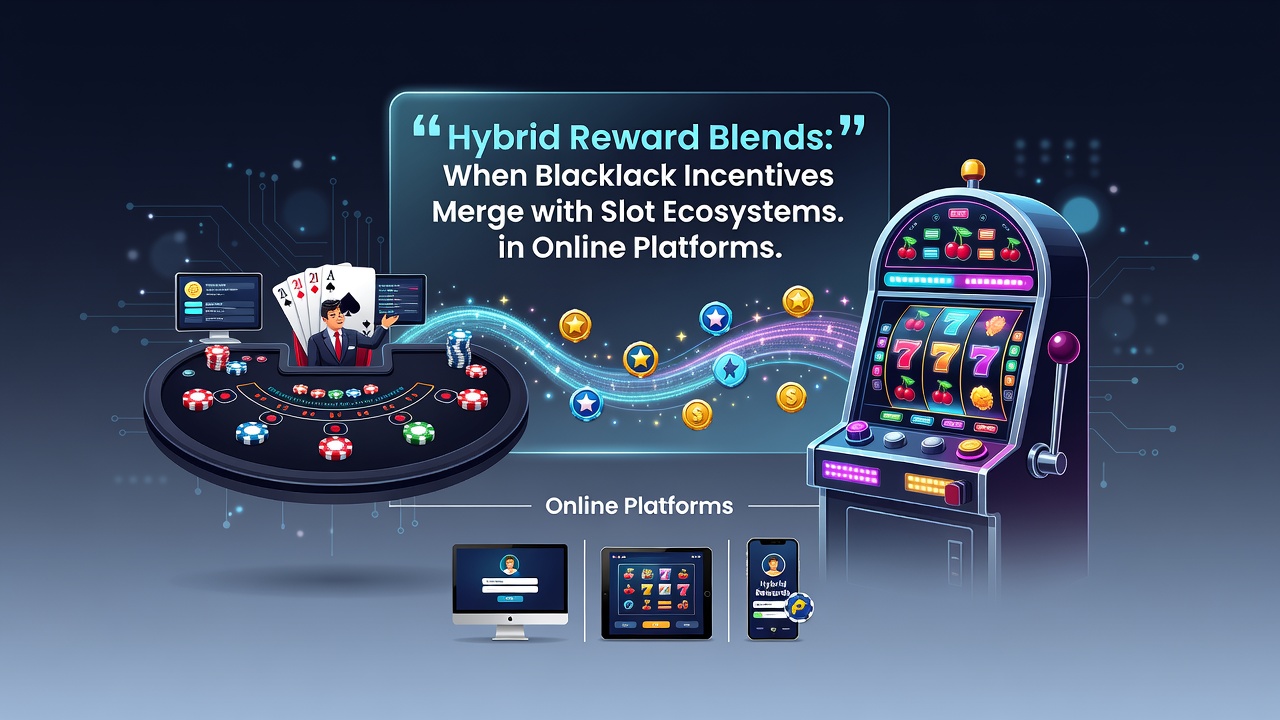
Operators report that tiered loyalty clubs now grant status points that apply universally once a player reaches defined volume thresholds in either category. A mid-tier member who accumulates the required hands at blackjack tables may unlock a slot cashback multiplier that activates automatically during the subsequent reel session. Conversely slot volume can accelerate qualification for private blackjack tables that carry higher maximum bet limits and dedicated host support.
Technical Infrastructure Supporting Blended Rewards
Modern gaming servers employ real-time APIs that push contribution events to a central rewards engine rather than maintaining isolated bonus modules. This architecture allows instant recalculation when a player switches from one game category to another without requiring manual balance transfers. Platform providers have released case studies showing that consolidated systems reduce support ticket volume related to bonus disputes because contribution rules remain visible inside a single dashboard.
Third-party auditing firms now test these engines against regulatory sandboxes before live deployment. Tests focus on edge cases such as simultaneous completion of both slot and blackjack milestones within the same minute or rapid game switching that could exploit rounding differences in contribution percentages. Findings from these audits feed into the compliance documentation required under the 2026 frameworks.
Future Trajectory of Integrated Ecosystems
Industry observers anticipate continued refinement of contribution weighting as machine learning models incorporate additional variables including time of day device type and historical deposit patterns. Several major suppliers have already announced development roadmaps that include optional toggles allowing players to prioritize advancement in one vertical over the other while still receiving partial credit in the secondary category.
These adjustments occur against the backdrop of the July 2026 compliance deadlines that will standardize reporting formats across jurisdictions. Data indicates that platforms adopting unified meters ahead of those deadlines experience smoother transition periods because their existing ledgers already separate contribution streams in ways that satisfy forthcoming audit requirements.
Conclusion
Hybrid reward structures represent a technical and regulatory evolution that links previously separate game ecosystems through shared progress metrics. The scheduled 2026 updates will formalize disclosure standards while preserving the operational flexibility that allows operators to tailor contribution rates. Players encounter these systems through unified dashboards that display simultaneous advancement across blackjack and slot categories with contribution tables now required in accessible formats.