Echoes from the Deck: Tracing Interlinked Loyalty Threads Across Blackjack Reward Cycles
Ulrich Keller · Jul 12, 2026
Echoes from the Deck: Tracing Interlinked Loyalty Threads Across Blackjack Reward Cycles
Loyalty programs in blackjack environments operate through interconnected cycles where player activity in one period generates points that feed directly into subsequent reward tiers, and these systems link across both digital platforms and physical cardrooms according to data compiled by regulatory bodies. Observers note that points earned from standard play accumulate toward tier upgrades which then unlock multipliers applicable in future sessions, creating threads that persist beyond individual reward cycles. Research from the Nevada Gaming Control Board indicates that many operators structure these programs around monthly or quarterly resets yet retain historical data to determine eligibility for personalized offers. This retention mechanism allows early cycle activity to influence later bonuses without resetting all accumulated benefits, and the pattern appears consistently in reports covering both land-based and online blackjack operations.Mechanics of Point Accumulation and Thread Linkage
Blackjack loyalty systems typically assign points based on wager volume with rates varying by game type and player tier, while separate threads track elements such as session frequency and average bet size. These separate metrics interconnect when operators apply composite scoring models that determine overall standing, and data shows composite scores often carry forward across calendar quarters even as point balances reset. Players who maintain consistent play patterns therefore carry advantages from prior cycles into new ones through preserved tier status rather than through raw point totals alone.
One documented approach involves linking consecutive reward periods via rollover requirements where unspent points from an initial cycle convert into entry credits for the next phase. This conversion process creates a traceable thread that researchers at the University of Nevada, Las Vegas have examined in longitudinal player datasets spanning multiple years. The study found that such rollover features increase retention rates by connecting isolated reward events into longer chains of engagement.
Cross-Platform and Geographic Variations in Thread Structures
Digital operators frequently integrate loyalty threads with external partner programs, allowing blackjack points to merge with rewards from sports betting or slot play within the same ecosystem. This merging expands teh reach of individual threads beyond blackjack-specific activity, and figures from Australian casino associations reveal similar integration patterns among multi-venue operators where points transfer across state lines under unified tracking systems. Geographic mapping of these programs shows denser thread interconnections in jurisdictions with consolidated regulatory oversight compared to fragmented markets.
July 2026 marks the scheduled release of updated compliance guidelines from the Nevada Gaming Control Board that address data portability requirements for loyalty accounts. These guidelines require operators to maintain thread continuity when players transfer between affiliated properties, and preliminary drafts indicate mandatory reporting on how interlinked rewards affect player movement across platforms. Such changes build on existing frameworks that already require disclosure of point expiration policies and tier downgrade procedures.
Analytical Models Tracking Reward Cycle Interconnections
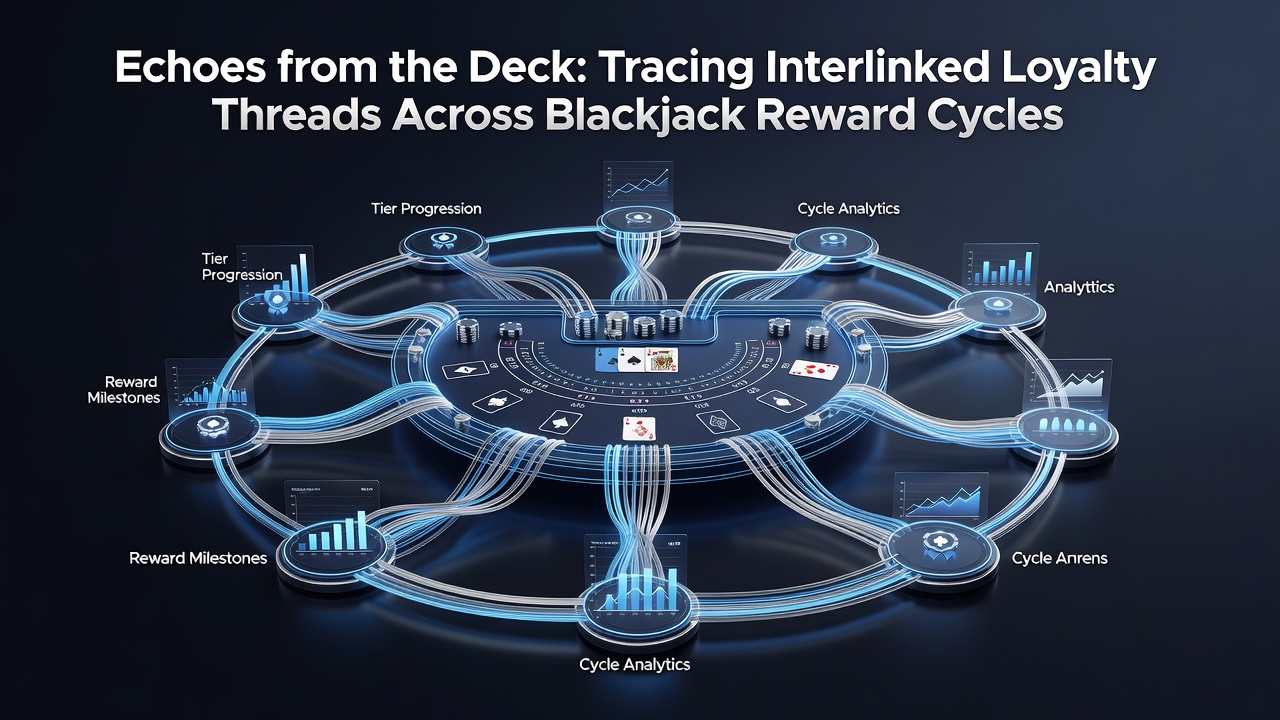
Operators employ predictive analytics to map how activity in early reward cycles correlates with behavior in later ones, and these models often highlight loyalty threads that predict churn when specific point thresholds remain unmet. Industry reports compiled by the Canadian Gaming Association demonstrate that segmentation based on thread strength allows targeted interventions such as accelerated point multipliers during transitional periods between cycles. The approach relies on historical linkage data rather than isolated session metrics, producing more accurate forecasts of long-term engagement patterns.
Thread tracing also extends to tournament structures where entry qualifications earned in one cycle carry forward as seeding advantages in subsequent events. This carry-forward mechanism connects otherwise discrete competitions into a single overarching reward pathway, and tournament organizers document these linkages through centralized leaderboards that aggregate performance across multiple months or quarters.
Conclusion
Blackjack reward cycles generate loyalty threads through systematic point tracking, tier preservation, and cross-platform integration that persist across resets and geographic boundaries. Regulatory developments scheduled for July 2026 aim to standardize data portability for these threads while operators continue refining analytical models to map their interconnections. The resulting structures link individual player actions into extended chains that shape participation patterns over successive reward periods, and available data from multiple jurisdictions confirms the consistent presence of these linkage mechanisms across both digital and traditional blackjack environments.