Dividing the Deck: Player Segmentation Tactics Behind Blackjack-Only Incentives in Online Casinos
Iris Friedrich · Jun 14, 2026
Dividing the Deck: Player Segmentation Tactics Behind Blackjack-Only Incentives in Online Casinos
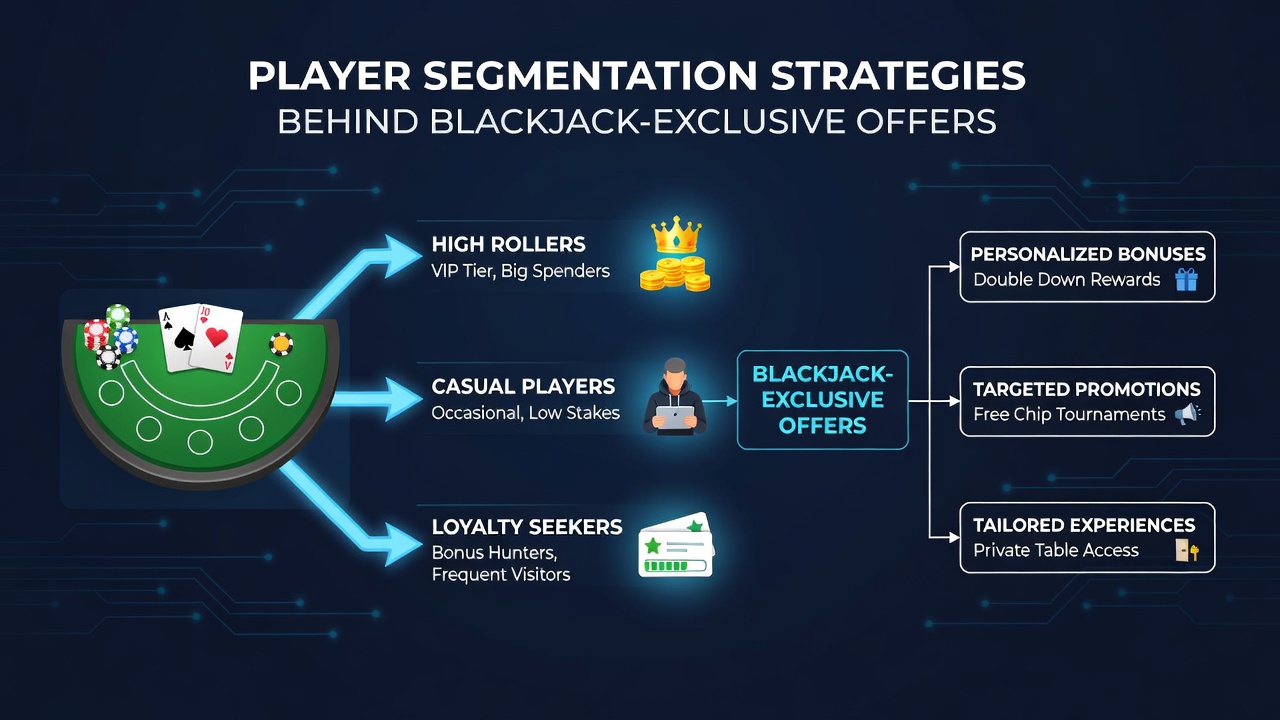
Digital casinos rely on detailed player segmentation to create blackjack-exclusive offers that match specific user groups and their playing habits. Analysts track metrics such as average bet size, session duration, game selection frequency, and response rates to past promotions; these data points allow operators to sort participants into categories that receive tailored rewards rather than generic bonuses.
Core Segmentation Criteria Used by Platforms
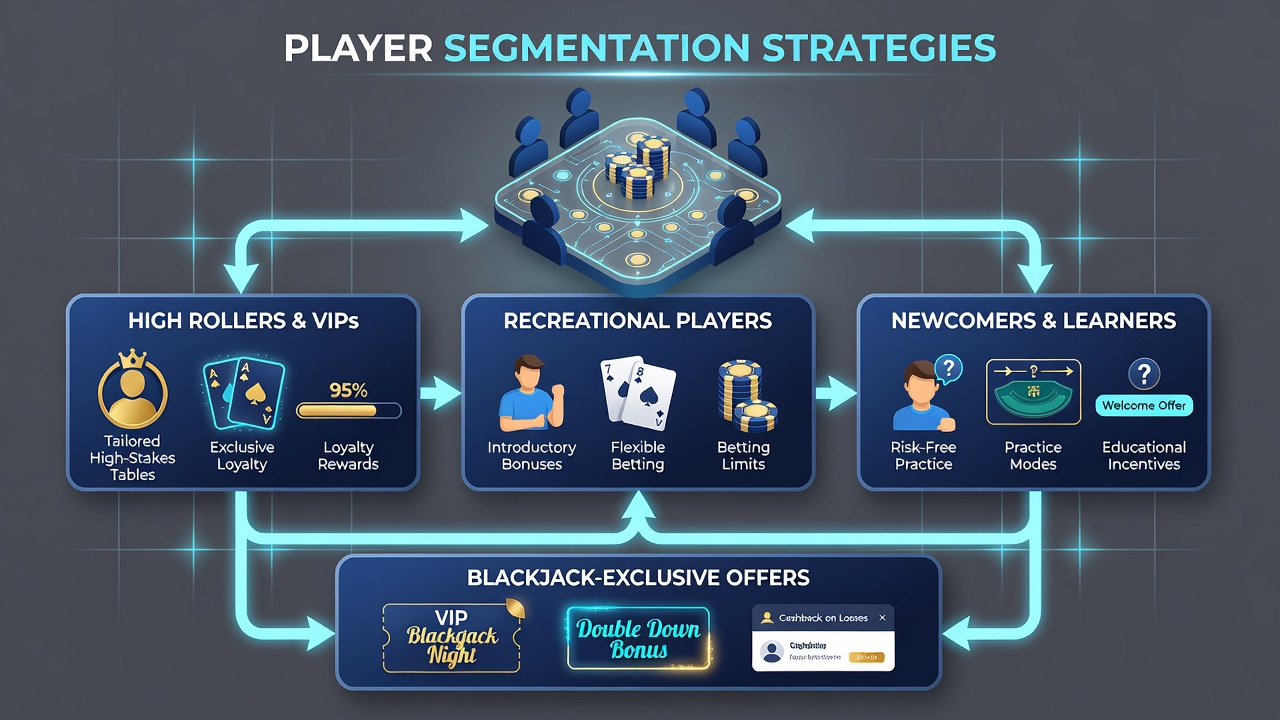
Operators divide blackjack participants primarily by behavioral patterns and value indicators. High-volume players who place consistent wagers above certain thresholds often receive reload bonuses structured around additional hands or reduced house edges on specific tables, while occasional participants see deposit-match offers tied to first-time play requirements. Data from industry reports indicates that frequency-based grouping accounts for the majority of promotional spend allocation, because repeat engagement generates steadier revenue streams than one-time sign-ups.
Geographic location also influences how segments form, since regulatory environments differ across jurisdictions and affect available game variants plus bonus structures. Platforms serving multiple regions apply filters that respect local rules on wagering contributions and maximum payouts, which means a player in one area might qualify for a cashback tier unavailable elsewhere even with identical play volume.
Behavioral and Transactional Data Layers
Modern systems combine deposit history, withdrawal patterns, and in-game decisions to refine segments further. Someone who increases bets after losses might enter a recovery-focused group that receives targeted free-play credits after downturns, whereas steady winners often land in loyalty tiers that unlock progressive match percentages on subsequent deposits. Research from the American Gaming Association shows these layered approaches improve retention rates because offers align directly with observed risk tolerance and session goals.
Device and Timing Influences on Offer Delivery
Segmentation extends to the devices players use and the times they log in. Mobile users frequently receive shorter, quicker-to-claim promotions such as instant spin credits or small deposit boosts designed for brief sessions, while desktop participants see longer-form offers that encourage extended table time. Timing data reveals peak activity windows, allowing platforms to schedule limited-time blackjack tournaments or exclusive table access during those hours for relevant segments. This approach became more pronounced as operators prepared for updated compliance frameworks scheduled to roll out in June 2026 across several major markets, which emphasize clearer disclosure of how personal data shapes promotional targeting.
Psychographic elements add another dimension when available through surveys or inferred from choices. Players who gravitate toward classic rule sets versus side-bet variants receive different incentive structures, because preference data helps predict which tables will sustain engagement. One study from a Canadian research consortium found that aligning offers with preferred rule variations increased average session length by noticeable margins compared with untargeted promotions.
Implementation Through Automated Systems
Algorithms execute these divisions in real time, adjusting segment boundaries as new transaction data arrives. A participant who shifts from low-stakes to mid-stakes play can move between categories within days, triggering updated offer eligibility without manual intervention. This fluidity keeps promotions relevant and prevents stagnation that occurs when static lists remain unchanged for months. External oversight bodies such as the Alcohol and Gaming Commission of Ontario monitor these automated processes to ensure fairness and prevent exclusionary practices that might disadvantage certain groups.
Case examples illustrate the results. One operator created a segment for blackjack grinders who maintain steady hourly volume over multiple weeks; members received escalating cashback percentages after reaching defined loss thresholds, which encouraged continued play rather than abrupt exits. Another platform isolated new registrants who selected blackjack as their first game and delivered tiered welcome packages that scaled with initial deposit size, producing higher conversion from trial to regular status.
Measuring Effectiveness Across Segments
Success metrics focus on incremental revenue per segment and redemption rates rather than overall sign-up numbers. Platforms compare control groups that receive standard offers against segmented cohorts to quantify uplift, and findings consistently show stronger performance when incentives match the behavioral profile. Academic papers on digital gambling behavior note that transparent communication about how segmentation works can further increase trust and participation rates.
Operators also track cross-segment movement to identify when offers successfully encourage progression from casual to committed play. This longitudinal view helps refine criteria over time and prevents valuable participants from drifting into inactive categories due to mismatched rewards.
Conclusion
Player segmentation provides the structural foundation for blackjack-exclusive offers in digital casinos by matching incentives to documented habits and value indicators. Through behavioral tracking, geographic filters, device considerations, and automated adjustments, platforms deliver promotions that align with individual patterns while complying with regional requirements. As regulatory updates approach in June 2026, these methods continue to evolve with greater emphasis on data transparency and player protection across different markets.