Decoding Blackjack-Only Reward Structures That Drive Repeat Play in Digital Casinos
Mara Griffin · May 19, 2026

Decoding Blackjack-Only Reward Structures That Drive Repeat Play in Digital Casinos
Digital casinos have refined blackjack-specific reward systems that focus on repeat engagement through layered mechanics tied directly to gameplay volume and patterns, and these structures rely on player data to adjust incentives over time. Operators track metrics such as hands played, average bet size, and session duration to unlock escalating benefits that apply only within blackjack environments rather than across broader game libraries.
Core Components of Blackjack-Centric Loyalty Frameworks
Many platforms segment rewards into tiers that activate after set thresholds of blackjack activity, and these levels grant access to higher cashback percentages, accelerated point accumulation, and exclusive table access during peak hours. Data from industry reports indicates that such segmentation increases session frequency among tracked users by aligning benefits with individual betting habits instead of generic promotions.
One approach involves milestone clusters where consecutive wins or consistent play across multiple sessions trigger bonus credits that must be used on blackjack variants, and this design keeps participants returning to complete the sequence. Researchers at institutions like the University of Nevada, Las Vegas Center for Gaming Research have documented how these clusters correlate with extended account activity when the milestones reset on a weekly or monthly cycle.
Algorithmic Personalization and Real-Time Adjustments
Advanced systems employ algorithms that monitor blackjack sessions in real time to modify reward density based on recent performance, and this allows operators to offer tailored multipliers on winnings or reduced house edges for qualifying players. The adjustments occur without player input, yet they maintain engagement by responding to fluctuations in bet volume or win streaks observed during live play.
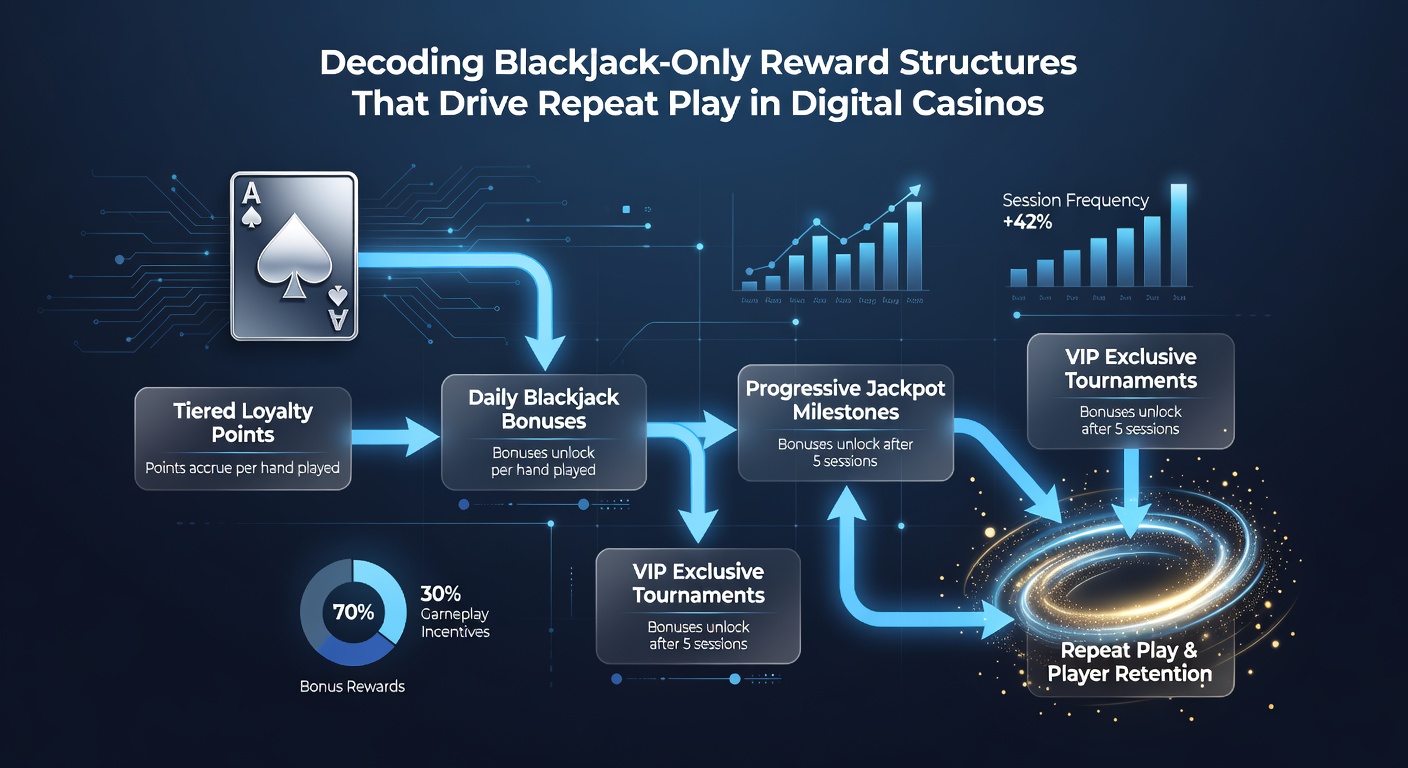
Platforms integrate these tools with secure databases that log every hand outcome and link them to loyalty profiles, which enables precise distribution of rewards that feel responsive rather than static. According to figures from iGaming Ontario compliance summaries, operators in regulated markets report higher retention rates when personalization extends to blackjack-only leaderboards that award points redeemable for tournament entries or custom table limits.
Regulatory Context and Industry Shifts Around May 2026
Anticipated updates to digital gaming standards in several jurisdictions take effect around May 2026, and these changes require clearer disclosure of how blackjack rewards calculate and reset. Compliance teams at licensed sites adjust their structures in advance to meet new transparency rules while preserving the incentive loops that encourage continued participation. Observers note that such regulatory alignment often leads to standardized reporting on reward uptake, which in turn provides clearer data sets for analyzing repeat play across different operator models.
Industry organizations such as the American Gaming Association compile statistics showing steady growth in blackjack participation on digital platforms, and these numbers reflect the impact of reward frameworks that tie benefits to long-term play rather than one-off deposits. The frameworks avoid overlap with general casino promotions by limiting redemption windows to blackjack tables and requiring minimum hand counts for tier progression.
Examples of Sustained Engagement Through Layered Incentives
Consider a mid-tier player who reaches a blackjack-specific loyalty stage after 500 tracked hands, at which point the system activates a progressive cashback rate that scales with further activity, and this mechanic prompts additional sessions to maximize the return percentage before the period ends. Similar patterns appear in programs that award virtual chips or free hands after reaching volume targets, creating a feedback loop where progress visibility drives return visits.
Those who study player behavior across markets find that combining these rewards with periodic challenges, such as completing a set number of splits or doubles within a timeframe, produces measurable lifts in daily active users for blackjack sections. The challenges remain confined to this game type, which differentiates them from site-wide events and focuses attention on repeat blackjack engagement.
Conclusion
Blackjack-only reward structures in digital casinos operate through data-informed tiers, algorithmic tweaks, and milestone systems that collectively sustain player interest over extended periods. As regulatory environments evolve toward May 2026, these frameworks continue to adapt while maintaining focus on gameplay metrics unique to the game. The resulting patterns demonstrate how targeted incentives shape participation without relying on broader promotional tactics.