California Cardrooms Prepare for Major Table Game Shifts Under 2026 State Rules
Anna Beck · May 17, 2026

California Cardrooms Prepare for Major Table Game Shifts Under 2026 State Rules
The California Department of Justice has rolled out updated enforcement measures that take effect on April 1, 2026, and these measures direct cardrooms throughout the state to remove blackjack from their offerings along with several other table game modifications. Cardroom operators must reach full compliance no later than May 31, 2026, and the timeline creates a compressed window for businesses to adapt their floor layouts and revenue models. The changes stem from long-standing statutes that separate cardroom operations from tribal casino gaming, and state officials aim to clarify boundaries that have remained in dispute for years. Observers note that the rules address specific game formats and betting structures that cardrooms have used while staying within player-banked and house-banked distinctions established decades ago. Cardrooms may continue offering certain approved games, yet blackjack and a handful of related variants must be discontinued or reconfigured. The compliance deadline in late May 2026 gives operators roughly two months after the April 1 start date to complete physical changes, retrain staff, and update promotional materials.Business Effects at Fresno's Club One Casino
Kyle Kirkland, owner of Club One Casino in Fresno, has publicly described the financial pressure these rules place on his operation. Blackjack currently generates roughly 20 percent of the casino's total revenue, and its removal requires rapid adjustments to marketing strategies and player incentives. Kirkland has pointed out that cardrooms rely on a narrow set of table games to compete, and the loss of this segment directly affects daily cash flow as well as longer-term expansion plans.
Club One is not alone in facing these constraints, yet its location and customer base make the revenue share particularly visible. Management teams at similar venues have begun reviewing alternative game options that remain permissible, such as modified poker variants and approved player-banked formats. Early planning includes consultations with game manufacturers to install compliant equipment before the May 31, 2026 cutoff arrives.
Tribal Support and Industry Pushback
Tribal gaming interests have voiced support for the stricter interpretation of existing law. Representatives from several tribal coalitions argue that the rules restore the original legislative intent that placed blackjack and similar house-banked games under tribal exclusivity. This position aligns with previous agreements that sought to protect tribal revenue streams while allowing cardrooms limited operation of skill-based and player-banked activities.
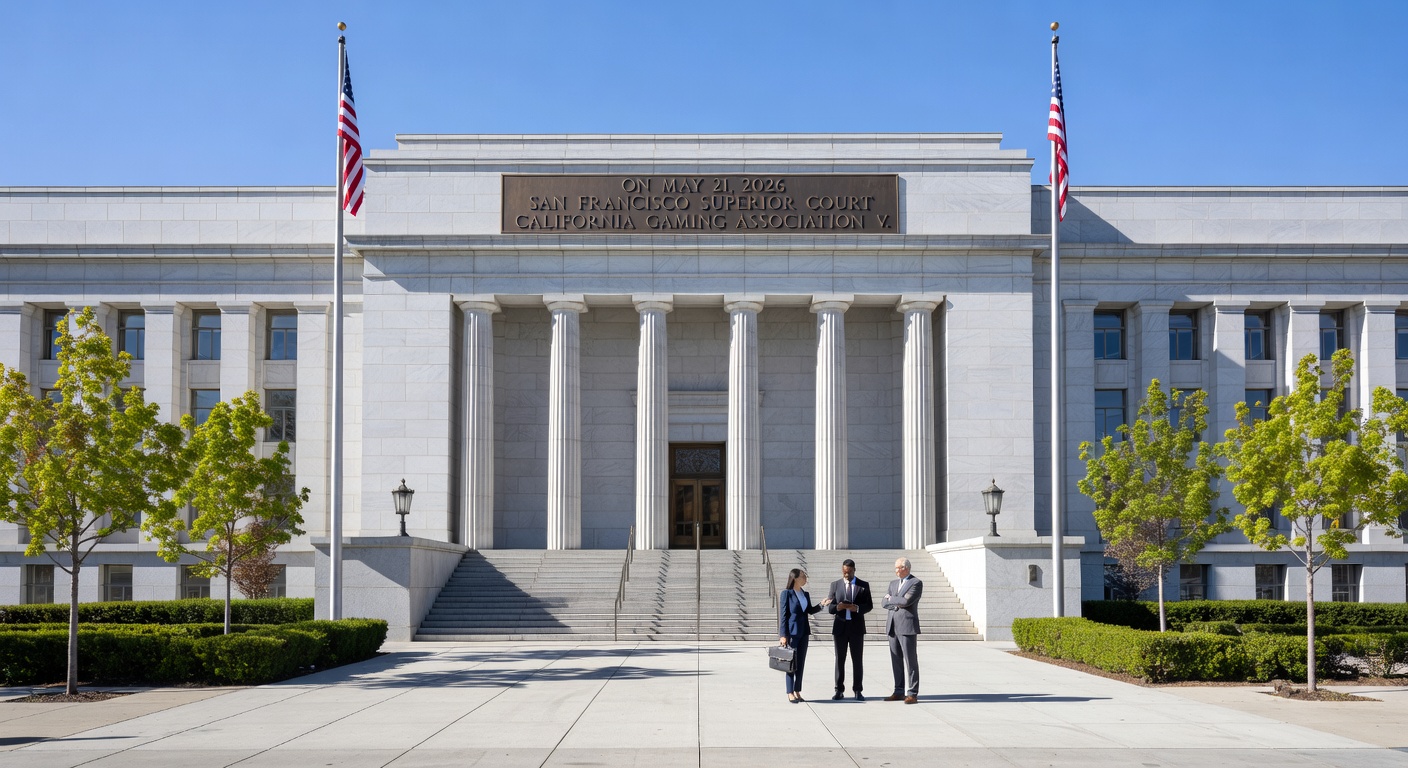
Cardroom operators, however, have mounted legal challenges that continue through state and federal courts. Lawsuits filed by gambling associations claim the Department of Justice exceeded its authority by reclassifying games that cardrooms have offered for years without objection. Court filings emphasize questions of due process and the economic impact on thousands of employees who depend on these venues. Hearings scheduled for early 2026 may determine whether temporary injunctions delay implementation past the April 1 effective date.
Regulatory Background and Compliance Path
State regulators trace the current enforcement push to statutes enacted in the 1980s and 1990s that created distinct categories for cardroom and tribal gaming. Over time, technological changes and new game variations blurred those lines, prompting the Department of Justice to issue clarifying guidance. The April 2026 rules represent the latest step in that ongoing process, and they include detailed checklists for cardrooms to follow when removing prohibited games and adjusting related promotions.
Operators must submit compliance reports by the end of May 2026, and inspectors will conduct on-site verifications during the following months. Failure to meet the deadline could result in fines or temporary suspension of table game licenses. Industry consultants have begun offering workshops that walk cardroom staff through the required documentation and floor-plan revisions, and these sessions have drawn strong attendance from venues across the Central Valley and Southern California.
Adjustments Beyond Blackjack Removal
The new rules also require cardrooms to modify certain multi-game tables and betting limits that previously allowed blackjack-style play under different names. Some establishments have explored hybrid formats that shift more control to players, thereby qualifying as permissible under the revised definitions. Equipment suppliers report increased orders for modular table systems that can be reconfigured quickly once final interpretations are confirmed.
Marketing departments face additional hurdles because promotional campaigns built around blackjack must be rewritten or retired. Loyalty programs that award points or comps tied to blackjack play need recalibration, and managers are testing replacement incentives centered on poker tournaments and other approved activities. The transition period through May 2026 will test how effectively these substitutions maintain customer engagement.
Conclusion
The April 1, 2026 implementation and May 31, 2026 compliance deadline mark a decisive moment for California's cardroom sector. While tribal entities back the enforcement effort and operators pursue litigation, businesses such as Club One Casino in Fresno must navigate concrete revenue shifts stemming from the 20 percent contribution blackjack has historically provided. The coming months will reveal how successfully the industry adapts its offerings while the legal process continues to unfold.