California Cardrooms Hit by Blackjack Ban: Regulations Take Effect Amid Lawsuit from Gambling Association
Ulrich Keller · Apr 14, 2026

California Cardrooms Hit by Blackjack Ban: Regulations Take Effect Amid Lawsuit from Gambling Association
The Rollout of New State Regulations
New state regulations banning blackjack and similar games at California cardrooms took effect on April 1, 2026, following approval by the Office of Administrative Law; these changes, long in the making, target player-dealer models common in the state's non-tribal gambling venues, where house-banked games like traditional blackjack have operated under unique rules. Cardrooms across California, from Fresno to Chico, now scramble to adapt, since the rules prohibit what operators call "blackjack-style" games that rely on player-dealers rotating positions, a setup that's defined the industry for decades.
What's interesting here is how quickly the enforcement kicked in; the California Bureau of Gambling Control oversees compliance, demanding plans from cardrooms by June 1, 2026, to ensure no banned games continue, while inspectors monitor floors for violations that could lead to fines or closures. Data from industry trackers shows these venues generate millions annually from such tables, so the shift disrupts operations overnight, although some owners pivot to alternatives like modified poker variants or other table games still permitted under state law.
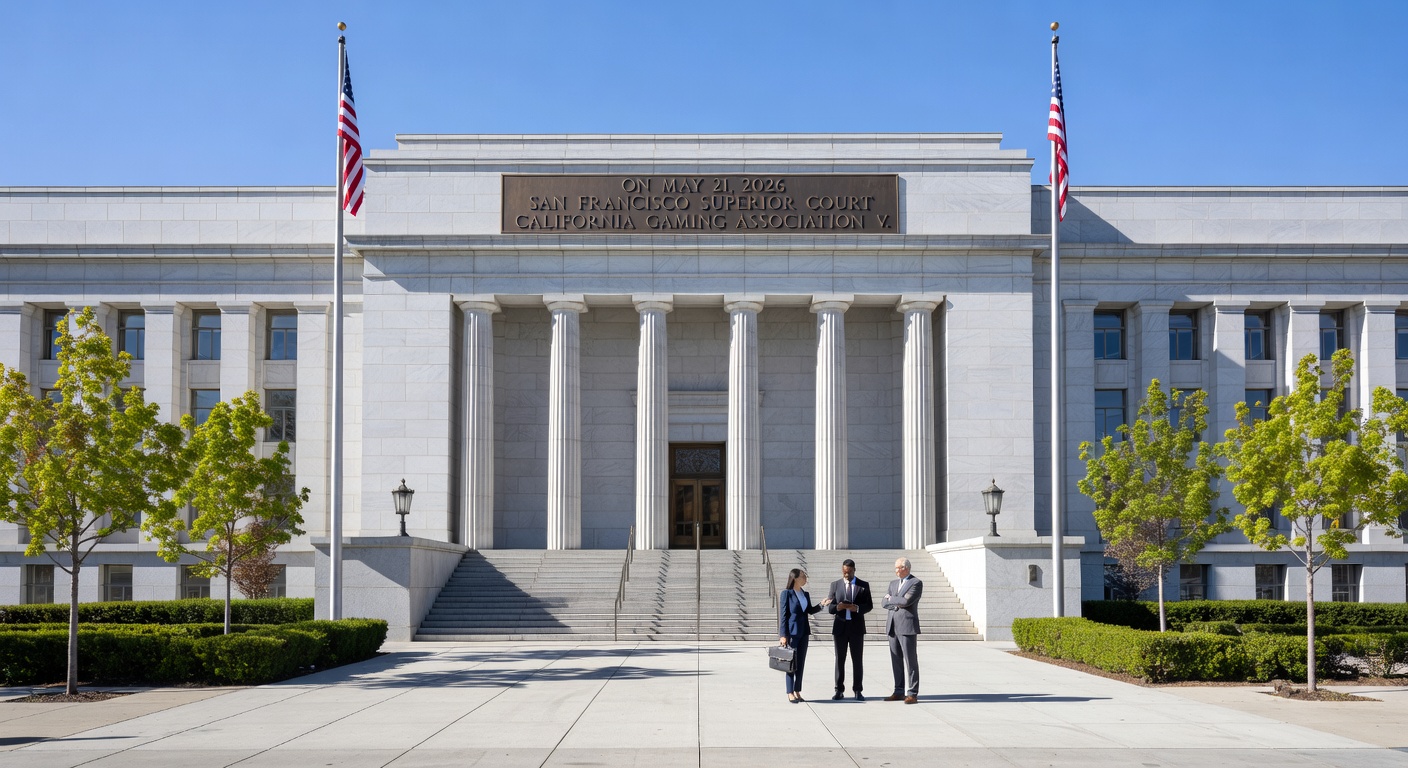
And yet, resistance surfaced immediately; the California Gambling Association filed a lawsuit on March 26, 2026, challenging the regulations' validity, followed by a request for a preliminary injunction on March 31 in San Francisco Superior Court, aiming to halt implementation until courts weigh in. Observers note this legal push reflects broader tensions between regulators seeking to standardize gambling and cardroom operators defending their business models, which employ thousands statewide.
Key Players and Their Stakes
Kyle Kirkland, president of the California Gambling Association and owner of Club One Casino in Fresno, steps forward as a central figure, stating that blackjack accounts for 20% of his venue's business; figures like this highlight the financial hit, since tables draw steady crowds night after night, boosting revenue through rakes and fees without the house banking directly. Kirkland's dual role amplifies his voice, as the association represents over 80 cardrooms employing some 20,000 workers, many in rural areas where these spots serve as economic anchors.
Contrast that with John Scott, owner of Casino Chico, who takes a measured view; Scott downplays risks of outright shutdowns, suggesting adaptations like reshuffling game offerings could keep doors open, although he acknowledges short-term revenue dips inevitable as players adjust habits. People who've followed California's gambling scene know cardrooms operate in a gray zone—no slots, no sports betting, just peer-to-peer games—making blackjack a staple that fills the gap left by tribal casinos dominating Vegas-style play.
Turns out, the regulations stem from years of debate over player-dealer rotations, which critics argue mimic house-banked blackjack banned elsewhere; the Bureau of Gambling Control finalized the language to close loopholes, approving it through administrative channels that bypassed legislative hurdles, a move the association contests as overreach. Experts who've studied state gambling laws point out similar battles played out before, like past crackdowns on "California blackjack" variants, but this one lands broader, sweeping in games with comparable mechanics.
Impacts on Local Cardrooms and Communities
Local cardrooms in areas like Chico and Redding feel the pinch hardest; these Northern California hubs rely on games like blackjack to lure locals and tourists, generating tax revenue that funds schools and roads, while employees—from dealers to security—face uncertainty over hours and jobs. One study from industry analysts reveals cardrooms contribute over $1 billion yearly to the state economy, with table games like these comprising a hefty slice; now, with bans in place, operators draft compliance plans detailing new floor layouts, staff retraining, and game transitions by that June 1 deadline.
But here's the thing: not all venues stand equal; larger spots like Club One, with diverse offerings, weather the storm better than smaller independents, where blackjack might represent 30-40% of action, forcing tough choices like layoffs or pivots to less popular games. Those who've visited these places often recall packed tables late into the night, a vibe that's core to the cardroom experience, distinct from the high-stakes tribal resorts dotting the landscape.
Enforcement ramps up steadily; Bureau agents conduct audits, verifying no player-dealer blackjack persists under new names or tweaks, since regulations spell out prohibited mechanics clearly, from card handling to betting structures. Compliance plans must outline monitoring protocols, employee certifications, and patron notifications, ensuring transparency while the lawsuit simmers in court.
The Legal Battle Unfolds
The California Gambling Association's lawsuit, lodged in San Francisco Superior Court, argues the regulations exceed statutory authority, potentially violating cardrooms' rights under existing laws that permit non-house-banked games; the preliminary injunction request, filed days before the April 1 start date, sought to freeze changes pending review, but courts have yet to rule, leaving operators in limbo. Legal watchers familiar with gambling cases note preliminary relief hinges on proving irreparable harm—like the 20% business loss Kirkland cites—versus public interest in uniform rules.
So far, no injunction blocks the rollout; cardrooms comply on the surface, removing blackjack tables and signage, although some test boundaries with hybrid games awaiting clarification. The association rallies members for support, pooling resources for appeals that could climb to higher courts, mirroring past fights where operators won concessions through persistence.
What's significant is the timeline; with compliance due mid-year, summer rulings could reshape floors permanently, or restore status quo if judges side with plaintiffs, a scenario John Scott hints might not kill businesses outright but reshape them profoundly.
Broader Context and Adaptations
California's cardroom ecosystem evolved uniquely because tribal compacts bar commercial casinos from slots and table games, pushing venues toward player-banked models; blackjack thrived here via dealer rotations, where players cover the bank role sequentially, collecting rakes without true house edge—a nuance regulators now deem too close to prohibited play. Data from the Bureau indicates thousands of tables affected statewide, from Bay Area powerhouses to inland outposts.
Owners like Kirkland push back publicly, emphasizing jobs and taxes at stake; Scott's optimism underscores resilience, as cardrooms historically innovate—think pai gow or three-card poker surges after prior tweaks. Communities watch closely, since venues double as social hubs (think charity tournaments alongside daily action), and disruptions ripple to suppliers, cleaners, even nearby eateries thriving on post-game crowds.
Yet regulators stand firm, citing fairness and anti-money-laundering goals; the approved rules, detailed in official filings, list banned formats explicitly, guiding compliance without ambiguity, although gray areas persist around "similar" games, sparking advisory requests flooding agency inboxes.
Conclusion
As April 2026 unfolds, California's cardrooms navigate this blackjack ban's fallout, balancing enforcement deadlines with a brewing lawsuit that could rewrite the rules; key voices like Kyle Kirkland highlight steep losses—20% of business in some spots—while John Scott tempers fears of collapse, pointing to adaptation paths ahead. The California Bureau of Gambling Control enforces steadily, compliance plans loom by June 1, and San Francisco Superior Court holds the next cards, determining if player-dealer blackjack returns or fades into history. Observers track every filing, knowing this saga shapes the state's $1 billion cardroom sector for years, a reminder that in gambling's world, the house—or regulator—sometimes calls the shots decisively.