Blackjack Reward Hierarchies: Mechanisms Digital Casinos Use to Sustain Player Commitment
Cameron Peters · Jun 7, 2026
Blackjack Reward Hierarchies: Mechanisms Digital Casinos Use to Sustain Player Commitment
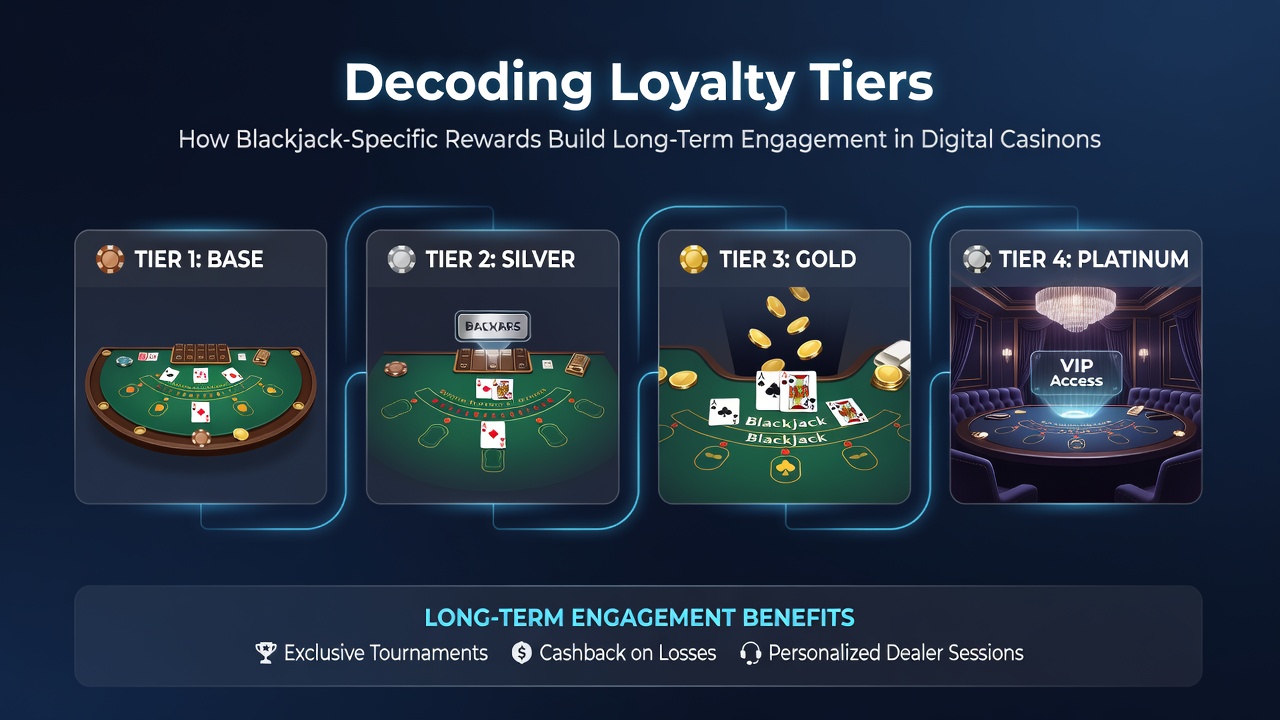
Digital casinos structure loyalty programs around tiered systems that track player activity in blackjack specifically, and these frameworks encourage repeated participation by offering escalating benefits tied directly to table game volume. Observers note that operators segment users into levels such as bronze, silver, gold, and platinum based on metrics like hands played, average bet size, and session duration, which creates a progression path that rewards consistent engagement over time.
Research from industry analysts shows that blackjack-specific rewards often include accelerated point accumulation on table games compared to slots, cashback percentages that rise with tier status, and exclusive access to private tournaments or dedicated account managers. These elements connect player behavior to tangible returns, and data indicates higher retention rates among users who reach mid-tier status within the first three months of activity.
Tier Progression and Blackjack Tracking
Casinos calculate tier advancement through algorithms that weigh blackjack wagers more heavily than other verticals in many programs, which means a player focusing on twenty-one tables advances faster than one spreading activity across multiple game types. Points accrue per dollar wagered with multipliers applied during promotional periods, and reaching the next level unlocks immediate perks such as reduced wagering requirements on bonuses or complimentary chips redeemable only at blackjack tables.
Those who've examined platform data note that silver-tier players typically receive 5 to 10 percent cashback on net losses from blackjack sessions, while gold and higher levels see those figures climb to 15 percent or more along with monthly reload credits scaled to prior month volume. The structure keeps players returning because each tier functions as both a status marker and a gateway to improved economics during play.
Rewards Tailored to Table Game Patterns
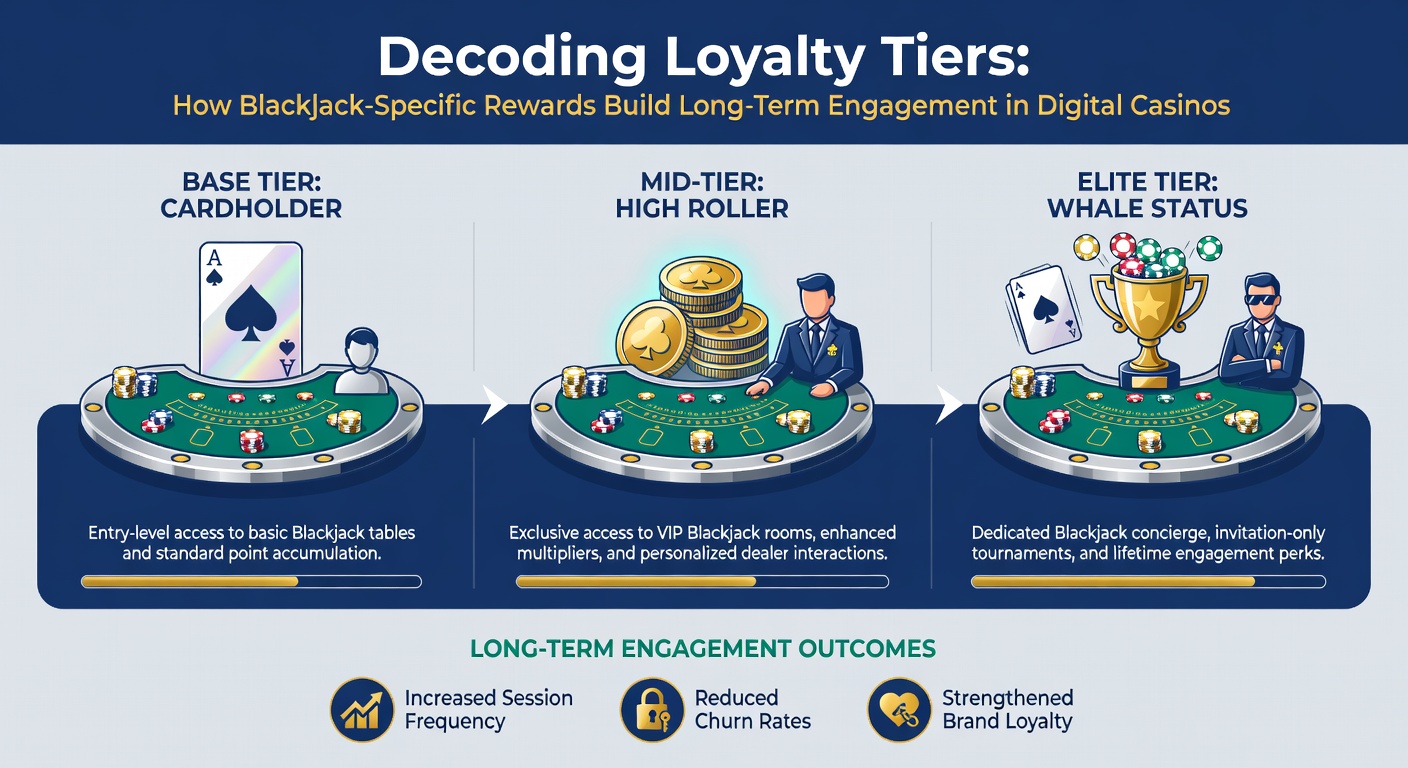
Blackjack rewards frequently emphasize elements that align with strategic play styles, including free hit or double-down vouchers, entry into leaderboard challenges where top performers earn cash prizes, and personalized loss limits that adjust based on historical performance. Platforms deploy these tools after analyzing individual betting patterns, and figures from multiple operators reveal that users receiving tailored incentives demonstrate longer average session lengths and lower churn compared to those on generic promotions.
What's notable is how referral bonuses integrate with tier systems, where existing members earn tier points or direct credits when referred players log substantial blackjack activity. This creates a network effect that expands the player base while reinforcing commitment among current participants who monitor their rank and associated privileges.
Regulatory Context and 2026 Developments
Updates scheduled for implementation across several jurisdictions in June 2026 require clearer disclosure of how loyalty points convert to rewards and impose caps on certain bonus structures tied to table games. According to information released by the New Jersey Division of Gaming Enforcement, these rules aim to standardize transparency around tier qualification criteria and redemption processes without restricting operator flexibility in program design.
Operators have responded by refining their tracking dashboards to display real-time progress toward the next tier, and early reports suggest these adjustments maintain player interest while meeting compliance standards. Meanwhile, data compiled by the International Association of Gaming Regulators indicates that markets with transparent loyalty frameworks experience steadier growth in active blackjack accounts over multi-year periods.
Behavioral Patterns and Retention Outcomes
Studies on player cohorts demonstrate that individuals who interact with tier-based rewards complete more blackjack hands per week once they cross into the second or third level of a program. The psychological pull of visible progress bars and unlockable benefits combines with financial incentives such as higher rakeback rates or priority seating in live dealer rooms, and platforms that refresh reward catalogs quarterly sustain momentum across longer timeframes.
One documented approach involves seasonal challenges where tier points earned from blackjack contribute to leaderboard standings, granting winners luxury experiences or large cash awards. These events layer additional engagement layers onto the core tier system and have been shown to lift participation metrics during traditionally slower months.
Conclusion
Tiered loyalty structures built around blackjack activity provide digital casinos with a scalable method for encouraging sustained involvement, and the combination of progressive benefits, personalized incentives, and regulatory adaptations positions these programs as central components of player retention strategies. As platforms continue to refine tracking and reward delivery ahead of mid-2026 compliance deadlines, the focus remains on aligning reward economics with observable player behavior to support ongoing platform use.