Behavioral Patterns Shape Tailored Blackjack Incentives in Virtual Casino Ecosystems
Ulrich Keller · Jun 30, 2026

Behavioral Patterns Shape Tailored Blackjack Incentives in Virtual Casino Ecosystems
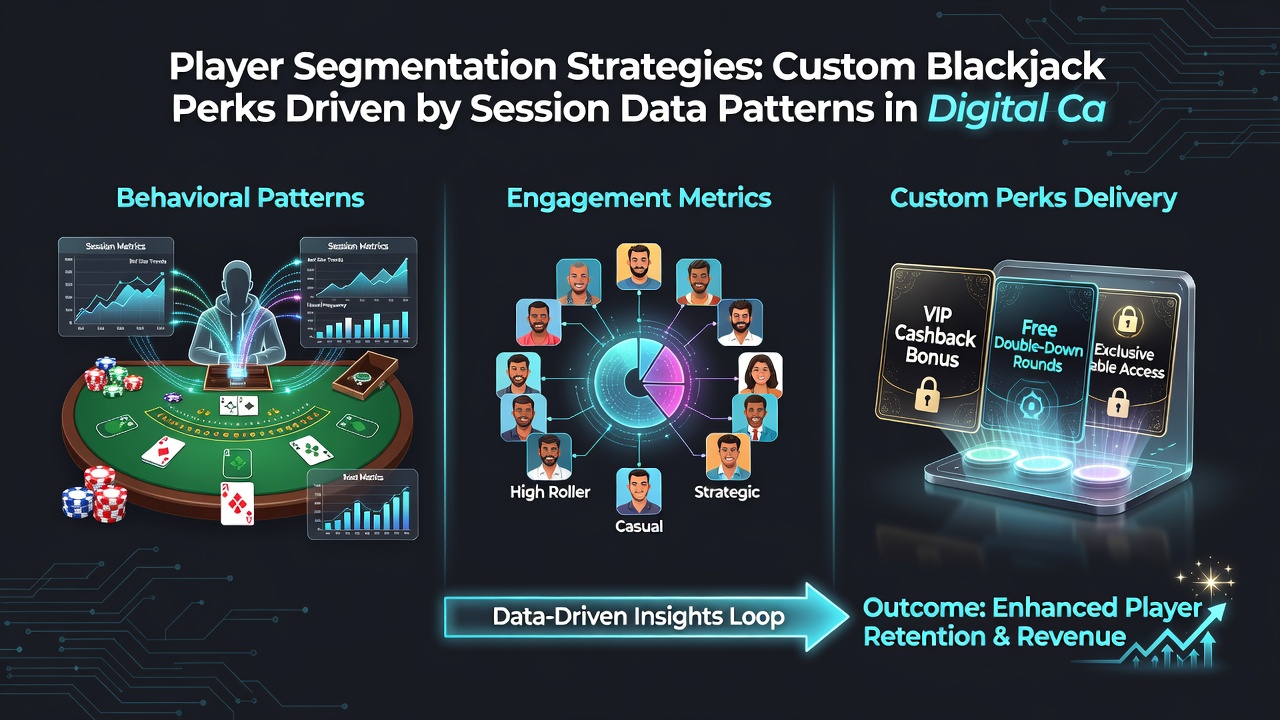
Digital casinos collect extensive session data from blackjack participants including average bet sizes, session durations, frequency of play, and win-loss trajectories, then apply segmentation algorithms to group users into categories such as high-volume grinders, recreational visitors, and risk-tolerant strategists, after which platforms deliver customized perks like targeted deposit matches or loyalty multipliers that align with each segment's observed behaviors.
Core Data Elements Driving Segmentation Models
Session length often serves as a primary metric where operators identify players who engage for extended periods versus those completing short bursts of activity, while bet velocity patterns reveal whether participants favor conservative wagers or aggressive increases following wins and losses. Researchers at institutions tracking online gaming trends note that combining these variables with time-of-day preferences and device usage creates multidimensional profiles that support precise perk allocation rather than generic promotions applied uniformly across all accounts.
Frequency metrics further refine these groupings because repeat visitors who log in multiple times weekly demonstrate different retention needs compared to sporadic participants who appear during promotional windows only, and platforms adjust reward structures accordingly by offering streak-based bonuses to the former group while providing entry-level incentives to encourage the latter toward higher engagement levels.
Segmentation Categories and Resulting Perk Structures
Operators commonly divide blackjack players into tiers based on lifetime value calculations derived from session aggregates, placing consistent high-stakes participants into premium segments that receive personalized table limit adjustments and expedited withdrawal processing, whereas mid-tier users encounter offers centered on risk-mitigation tools such as partial loss rebates tied directly to their historical session outcomes. Lower-engagement segments receive nudges through time-limited free play credits calibrated to their typical session lengths, which encourages incremental increases in play duration without overwhelming the user with mismatched incentives.
Geographic data overlays add another layer because players from regions with distinct regulatory frameworks exhibit varying session patterns, prompting platforms to modify perk delivery methods such as instant bonus credits in jurisdictions permitting rapid transactions versus delayed loyalty point redemptions elsewhere, and this approach maintains compliance while preserving engagement consistency across borders.
Implementation Timelines and Emerging Standards
By June 2026 multiple digital platforms plan expanded rollout of real-time segmentation engines that refresh player categories after each completed blackjack session, allowing perks to evolve dynamically rather than remaining static for fixed periods, and this shift aligns with broader industry moves toward granular data utilization that respects player privacy boundaries established through prior regulatory updates in North American and European markets.
Industry reports from sources including the European Gaming and Betting Association highlight how these systems reduce irrelevant offer distribution by analyzing historical patterns, which in turn improves response rates because participants encounter incentives that match their demonstrated preferences instead of generic campaigns that previously generated lower conversion across segments.
Technical Integration and Cross-Platform Considerations
Backend systems integrate session tracking with customer relationship management tools so that a player exhibiting extended sessions on mobile devices during evening hours might receive tailored reload offers timed to those windows, whereas desktop users with shorter midday sessions encounter different structures focused on quick-play multipliers, and such differentiation stems directly from aggregated pattern analysis rather than manual campaign decisions.
One documented implementation involved a North American operator that adjusted blackjack-specific cashback percentages according to volatility tolerance inferred from session data, resulting in higher retention among segments previously underserved by uniform promotional structures, according to findings shared through academic partnerships with gaming research centers at the University of Waterloo.
Conclusion
Session data patterns continue to inform increasingly refined segmentation strategies that enable digital casinos to deliver blackjack perks calibrated to individual behavioral profiles, and as platforms refine these approaches through 2026 the emphasis remains on matching incentives to observable metrics such as bet velocity and engagement frequency while adhering to regional compliance requirements that shape data handling practices across global markets.