Analytics at Play: Customizing Blackjack Promotions Based on User Behavior Patterns
Mara Griffin · May 26, 2026
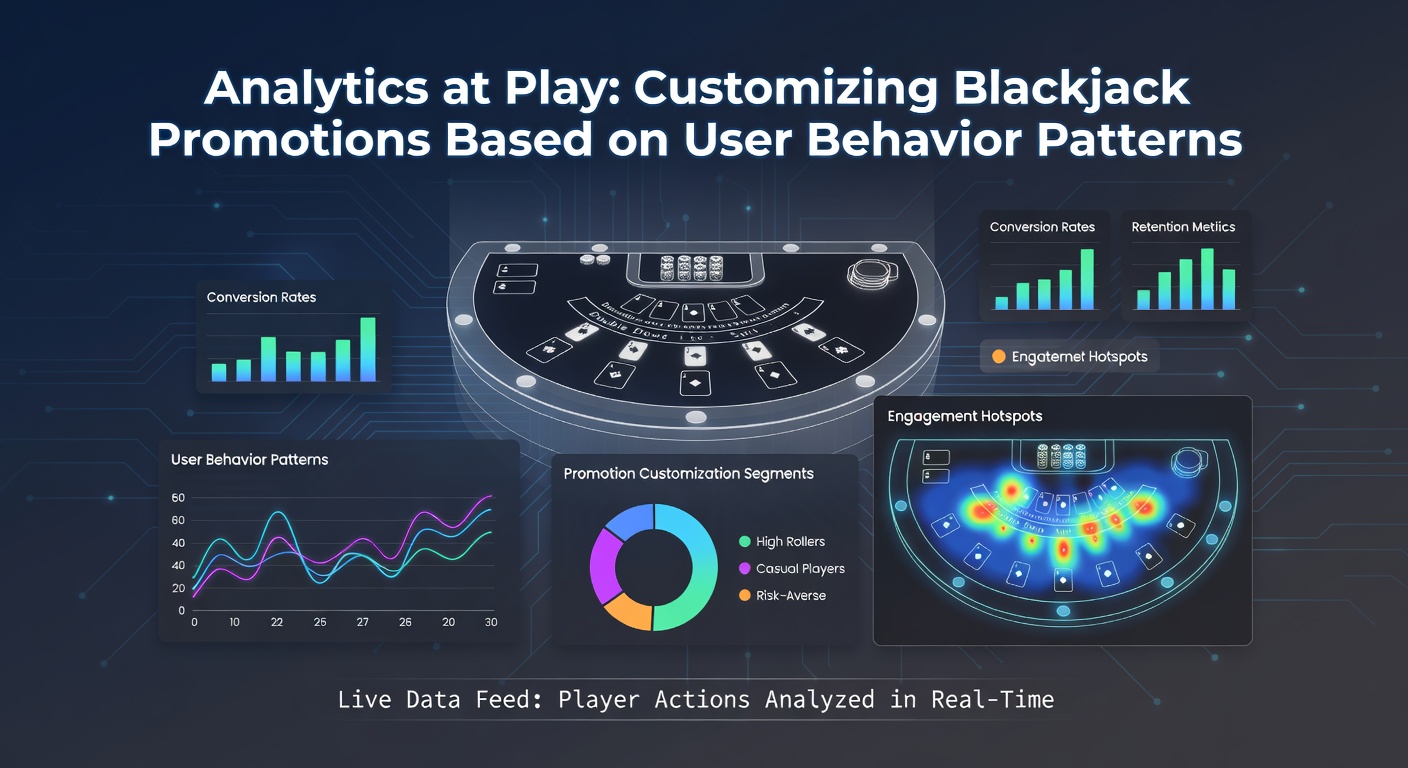
Analytics at Play: Customizing Blackjack Promotions Based on User Behavior Patterns
Operators in digital gaming environments track extensive datasets on blackjack sessions, including hand frequency, bet sizing trends, session duration, and response rates to prior offers, which allows platforms to segment audiences into distinct behavioral clusters. These clusters emerge from patterns such as high-volume evening play versus sporadic weekend activity, and the resulting insights guide the deployment of targeted incentives that align with individual habits rather than generic campaigns.
Data Sources and Collection Methods
Transaction logs, clickstream records, and device identifiers feed into centralized systems where algorithms identify correlations between play styles and promotional uptake. According to reports from the Nevada Gaming Control Board, platforms operating under state licenses maintain detailed audit trails that document how user metrics influence bonus structures. Researchers at institutions like the University of Nevada, Las Vegas have documented similar methodologies in industry studies, noting that session-level granularity enables real-time adjustments without manual intervention.
Geolocation tags and time-stamp data further refine these models, revealing whether players favor mobile interfaces during commutes or desktop setups at home. Such distinctions matter because reward timing and format vary accordingly, with some segments responding better to instant-match credits while others engage more with tiered loyalty multipliers.
Segmentation Through Behavioral Indicators
Play velocity serves as one primary marker, where rapid consecutive hands signal a different profile from measured, longer sessions punctuated by pauses. Loss-chasing sequences appear in the data as increased bet amounts following downturns, prompting operators to introduce loss-mitigation offers that activate only after predefined thresholds. Conversely, consistent winners receive retention-focused promotions designed to extend play periods rather than recover shortfalls.
Deposit patterns add another layer, since frequency and amount ranges help distinguish recreational participants from those maintaining steady bankrolls across multiple weeks. Platforms cross-reference these figures with game-type preferences, isolating blackjack-specific metrics such as side-bet participation or insurance uptake rates that rarely appear in other table-game contexts.
Customization Mechanics in Practice
Once segments form, automated rules engines generate individualized offers that deploy through email, in-app notifications, or account dashboards. A player exhibiting high evening volume might receive reload credits timed for peak hours, while infrequent users encounter welcome-back sequences triggered after seven-day inactivity windows. These mechanics operate within parameters set by platform compliance teams to ensure offers remain consistent with licensing conditions.
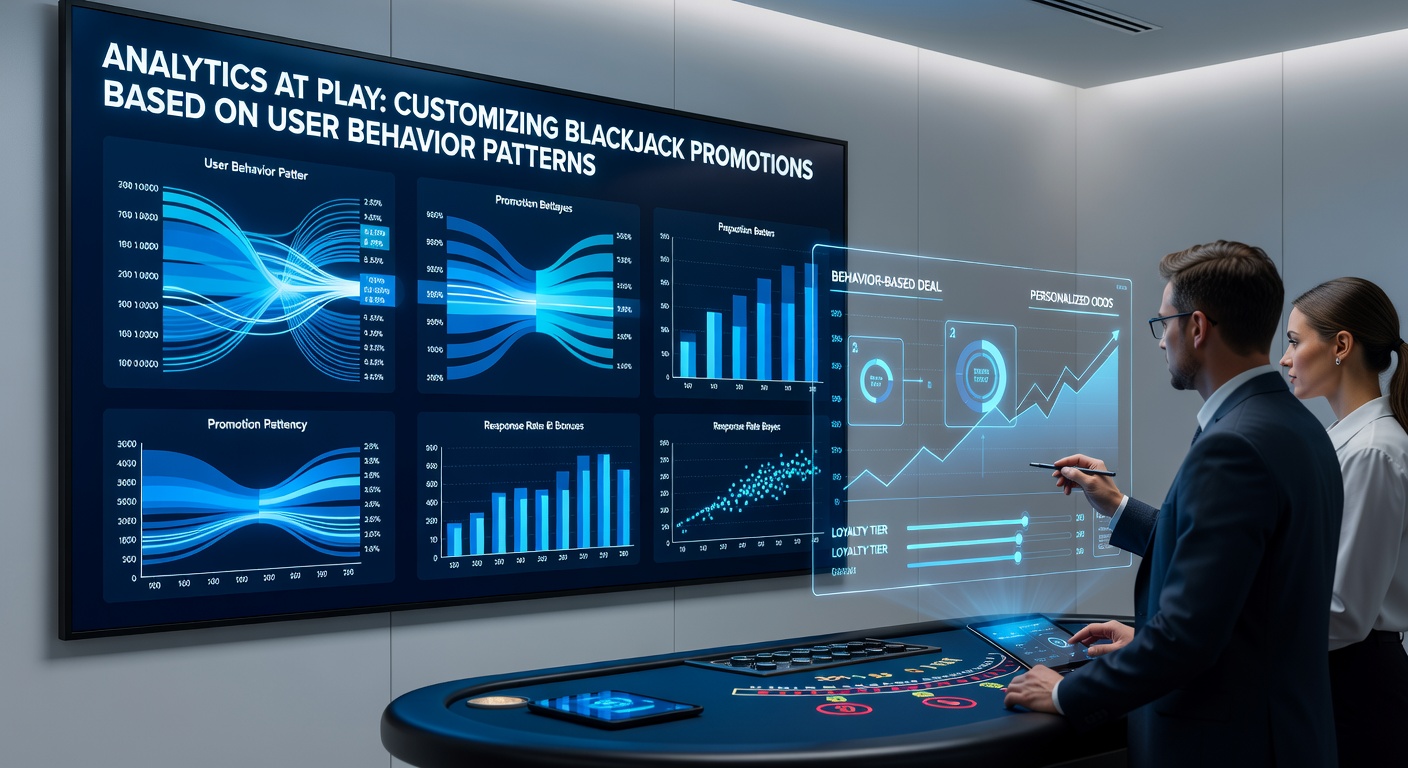
Testing protocols run continuously, with A/B frameworks measuring redemption rates across control and variant groups to refine future iterations. Data indicates that timing adjustments alone can shift engagement metrics by double-digit percentages when synchronized with documented user activity peaks.
Regulatory Context and Upcoming Changes
Compliance frameworks require transparency around how behavioral data informs promotions, particularly as jurisdictions review automated decision-making standards. In May 2026, several licensing bodies plan to implement updated reporting requirements that mandate disclosure of segmentation criteria used for bonus allocation. Platforms are preparing by documenting algorithm inputs and outputs in formats accessible to auditors, ensuring alignment with emerging rules on fairness and consumer protection.
Industry associations have circulated guidance documents that outline best practices for maintaining audit-ready logs while still permitting dynamic customization. These preparations coincide with broader shifts toward responsible gaming features, where analytics also flag potential risk indicators and trigger intervention prompts alongside promotional content.
Measurement of Promotional Effectiveness
Key performance indicators include repeat visit rates, average session length post-offer, and incremental revenue per segmented user. Observers note that platforms publishing anonymized aggregate findings often highlight stronger retention among groups receiving behavior-matched incentives compared with control cohorts exposed to uniform campaigns. Such outcomes reinforce the value of continued investment in analytics infrastructure.
Longitudinal tracking further reveals whether initial uplift sustains over multiple quarters or diminishes as novelty fades, prompting periodic recalibration of segment boundaries and offer parameters.
Conclusion
Analytics-driven customization of blackjack promotions rests on systematic collection and interpretation of user behavior data, enabling operators to align incentives with observed patterns across diverse player segments. As regulatory expectations evolve in 2026 and beyond, documentation and testing protocols will remain central to maintaining compliant, effective programs that respond to actual play dynamics rather than static assumptions.