Adaptive Incentives: Real-Time Player Analytics Transforming Blackjack Offers in Digital Card Rooms
Ulrich Keller · Aug 11, 2026
Adaptive Incentives: Real-Time Player Analytics Transforming Blackjack Offers in Digital Card Rooms
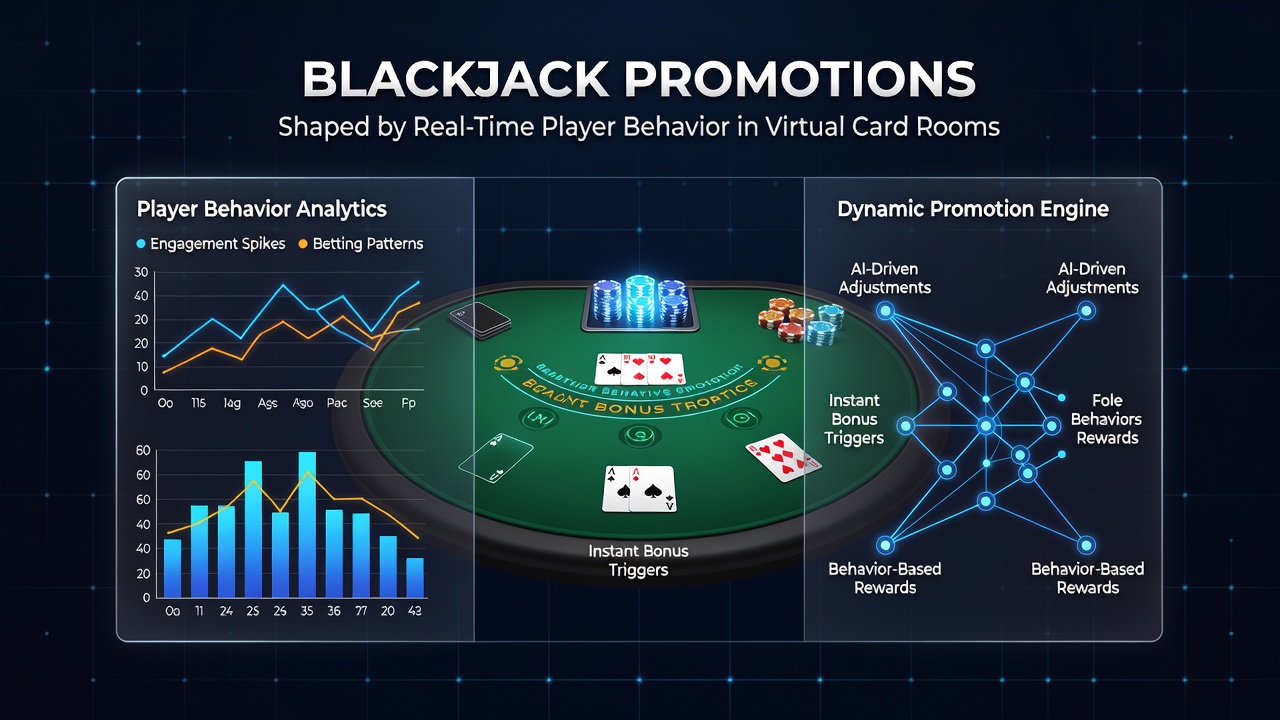
Virtual card rooms now adjust blackjack promotions based on live player data streams that track session length, bet sizing patterns, and game selection trends within seconds of each hand, and operators use these signals to modify bonuses, cashback rates, and loyalty rewards without waiting for end-of-day reports. Systems capture every decision point including when players increase wagers after losses or switch tables mid-session, then feed the information into automated engines that recalibrate offers for that specific user before the next round begins.
How Live Tracking Works in Practice
Platforms collect granular metrics such as average time between decisions, frequency of insurance bets, and response to side wager prompts, while algorithms categorize participants into behavior clusters that trigger distinct promotion tiers. One cluster might receive instant reload credits after extended play periods exceeding forty-five minutes, whereas another sees deposit-match percentages scaled upward when bet velocity drops below established thresholds, and these adjustments occur continuously rather than through scheduled campaigns.
Data pipelines integrate with game engines so that a player who consistently doubles down on soft hands might receive targeted free-hit promotions, and those who avoid side bets see offers focused solely on main game wagers. Operators report that such personalization increases session retention by measurable margins according to internal platform logs shared with industry analysts.
Regional Developments and August 2026 Shifts
Regulatory updates scheduled for August 2026 in several North American jurisdictions will require clearer disclosure of how real-time data influences promotional terms, prompting virtual card rooms to refine their transparency protocols while maintaining competitive edges. Canadian provincial regulators have already begun reviewing similar frameworks that emphasize player consent for behavior-based adjustments, and European operators have tested opt-in modules that let users select which data points feed into their reward calculations.
These changes align with broader industry moves documented in reports from the New Jersey Division of Gaming Enforcement, where virtual table operators must now document the logic behind dynamic offers to ensure fairness across player segments. Meanwhile research groups at institutions like the University of Nevada, Las Vegas have examined how such systems affect overall player spend distribution without altering game mathematics.
Examples of Behavior-Driven Promotions
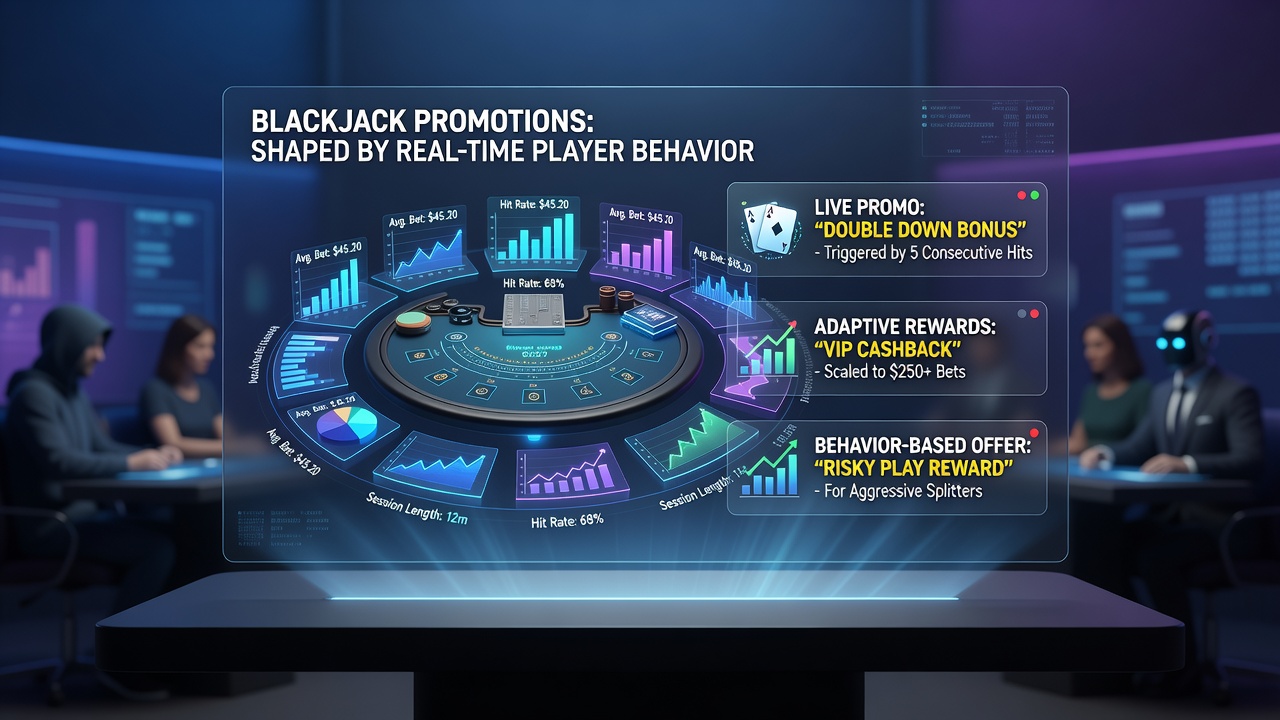
Take one platform that monitors consecutive wins and automatically escalates a player's cashback percentage for the remainder of that session when a streak reaches five hands, and another that reduces minimum deposit requirements for users whose recent activity shows frequent but smaller wagers. These mechanics rely on rule sets updated weekly by data teams who review aggregate patterns across thousands of sessions to keep offers relevant without overextending operator liabilities.
Virtual rooms also deploy time-sensitive nudges, such as instant match bonuses when a player logs in after a prolonged absence or when their current session shows signs of ending soon based on historical logout timing. Observers note that these interventions occur seamlessly within the interface, often appearing as personalized banners that reflect the exact behavioral signals captured moments earlier.
Technical Infrastructure Behind the Adjustments
Cloud-based analytics platforms process incoming hand data through machine learning models trained on millions of prior sessions, and the output feeds directly into the bonus engine that modifies available promotions in real time. Security protocols encrypt individual player identifiers during this process so that aggregate trends inform the system while personal details remain protected under standard data handling standards.
Integration with payment processors allows immediate crediting of adjusted rewards, which means a player who qualifies for an upgraded reload sees the new terms reflected in their account balance before they complete the next deposit. This speed differentiates current systems from earlier static campaigns that required manual approval cycles lasting hours or days.
Conclusion
Real-time player behavior continues to drive the structure of blackjack promotions throughout virtual card rooms, with operators refining data models and compliance measures ahead of the August 2026 regulatory milestones. The result is a landscape where offers evolve alongside individual session dynamics rather than following fixed schedules, supported by infrastructure that processes signals continuously across global player bases.